Top 10 Interior Design Styles for 2026
Looking for a Fresh Way to Style Your Home?
You’re in the right place. In 2026, interior design is converging on three priorities at once: personal style, everyday comfort, and sustainability.
Whether you gravitate toward pared-back minimalism or timeless, layered elegance, there’s a design direction here worth exploring.
This guide walks through the ten interior design styles defining 2026 — by the end, you’ll have plenty of ideas for turning your home into a cozy retreat, a design-forward showpiece, or a bit of both.
Why Choosing the Right Style Matters
Picking an interior design style is a bit like planning a big trip — you want it to be memorable, enjoyable, and genuinely reflective of who you are. But style isn’t only about how a room looks; it’s also about how well that room works for your daily life.
Personal Expression vs. Practical Function
Start with one honest question: does this style actually fit your lifestyle? A striking, ultra-minimalist home might photograph beautifully, but if you’re raising kids or hosting often, it can quickly become impractical. A more forgiving aesthetic — Modern Farmhouse or Boho, for example — often suits a busy household better.
Trends vs. Timeless Appeal
It’s also worth thinking about longevity. Will a look still feel relevant in five years, or is it more of a short-lived moment? Styles like Scandinavian and Traditional design have proven remarkably durable, evolving gradually rather than falling out of favor. Something more of-the-moment, like Modern Rustic Luxe, brings fresh energy but may need periodic updating as trends shift. The sweet spot is usually a balance between what excites you today and what will hold up over time.
Here are the 10 interior design styles leading 2026:
1. Transitional Design Style
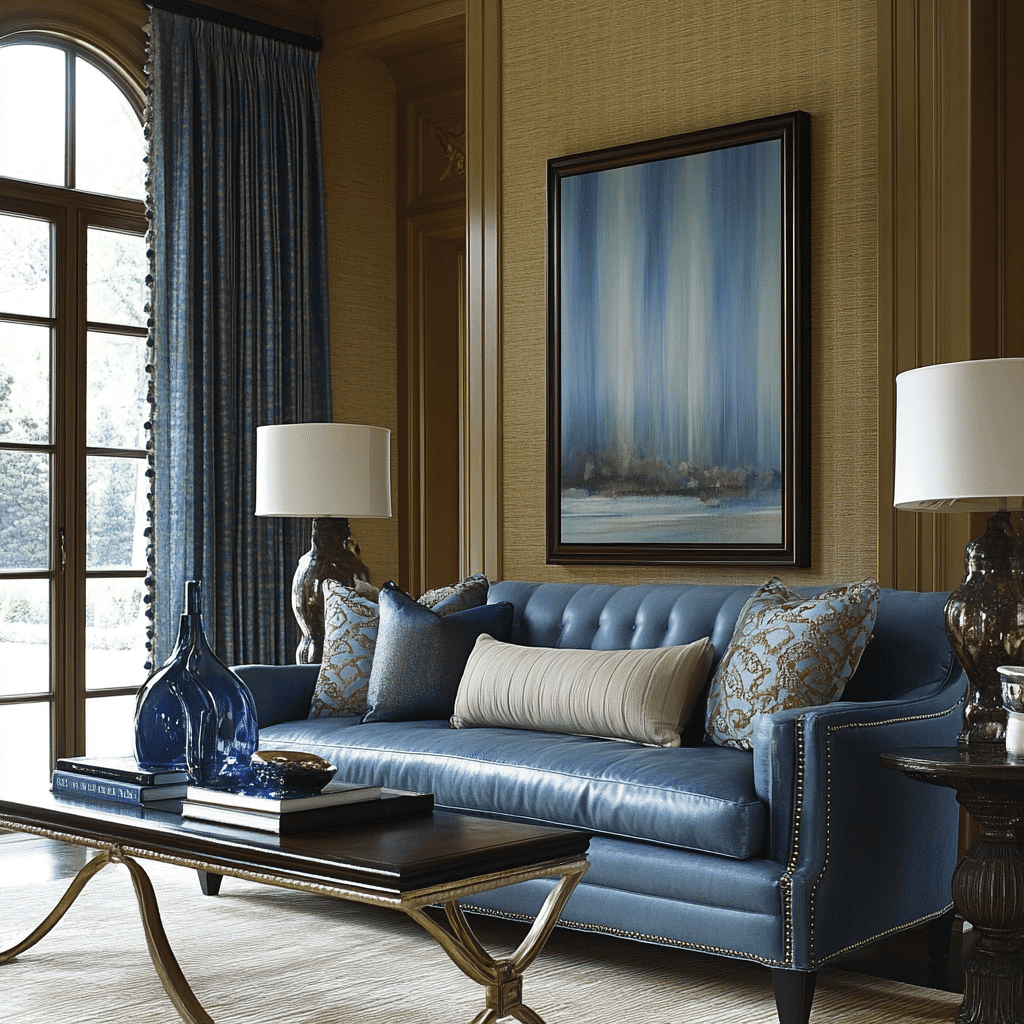
Transitional design bridges the warmth of traditional decor with the clean lines of contemporary style. Familiar pieces — tufted chairs, classic patterns — sit comfortably alongside modern silhouettes and updated finishes, making it ideal for anyone who wants old-world character without sacrificing a current look.
Blending Classic and Contemporary
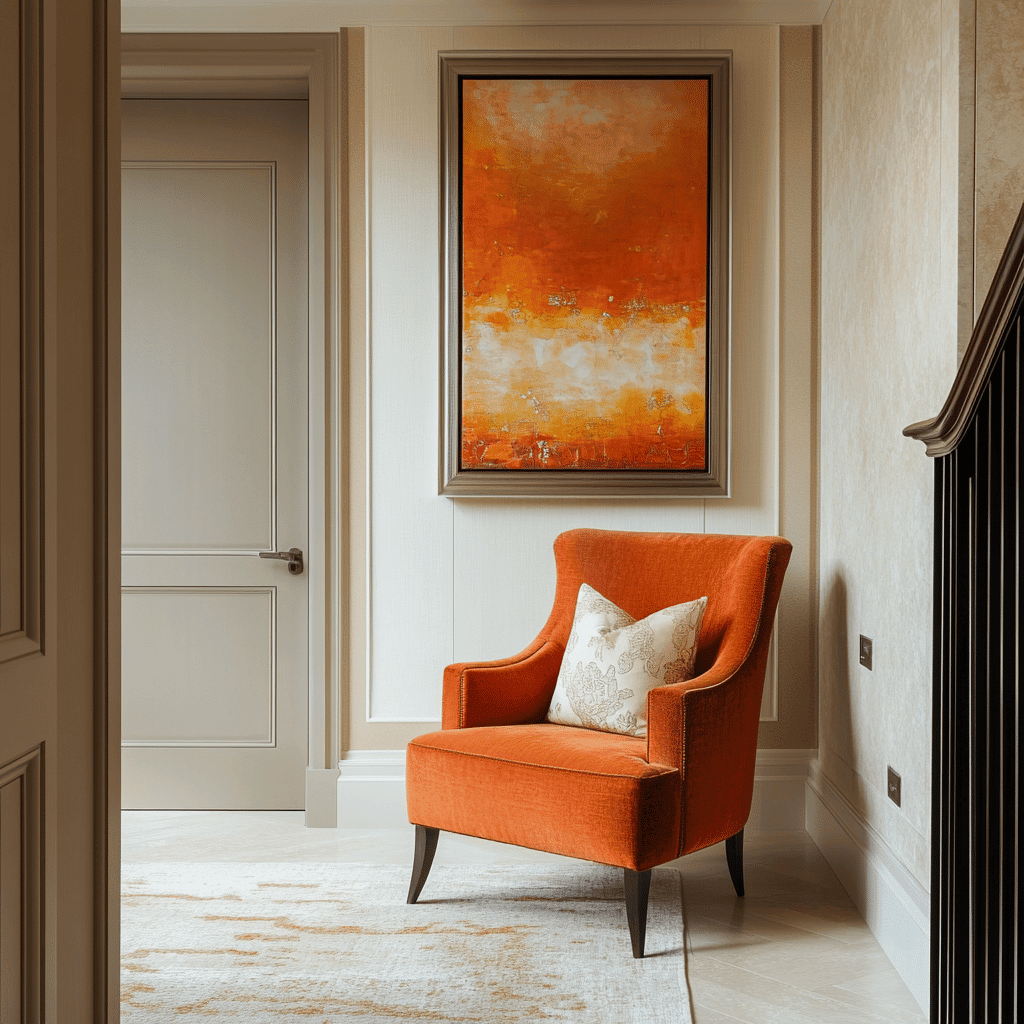
The goal in a Transitional space is balance, not sharp contrast. A formally carved dining table might pair with simple, streamlined chairs; an antique chandelier might hang above a sleek modern coffee table. Textiles — think classic damask on clean-lined furniture — help bridge the gap so neither era dominates the room.
Typical Color Schemes
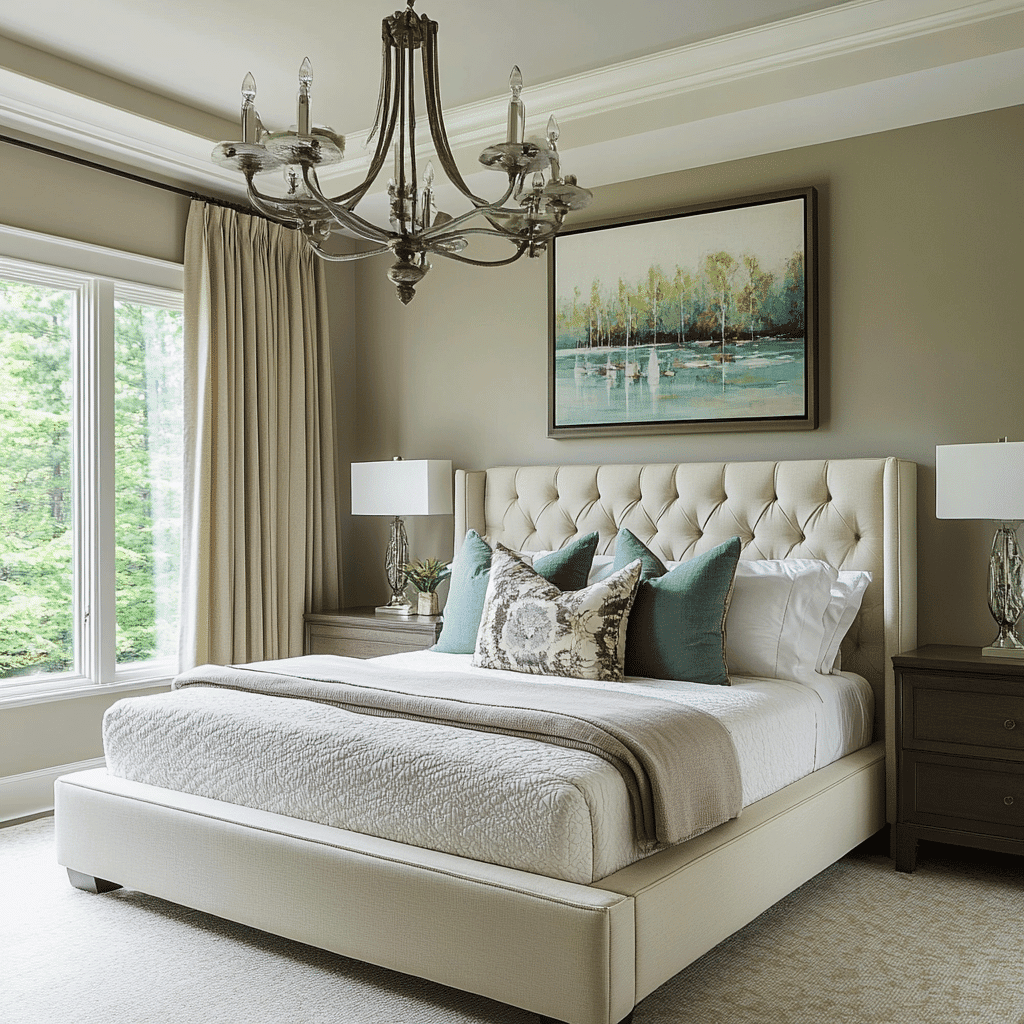
Neutrals like beige, gray, and cream form the backbone of most Transitional rooms, creating an easy backdrop to build on. Accent colors — turquoise pillows, burgundy drapes, a bold piece of wall art — add life without breaking the sense of calm. Mixing light and dark neutrals adds subtle depth, while a cohesive palette keeps every element feeling intentional.
Furniture and Decor Tips
Look for clean-lined furniture that still allows for subtle curves or decorative detail — a tailored sofa can sit comfortably next to a more ornate coffee table. Symmetrical layouts that draw the eye toward a focal point, like a fireplace or statement artwork, reinforce the balanced feel. Consistent finishes and fabrics tie the whole room together.
2. Modern Farmhouse Design Style
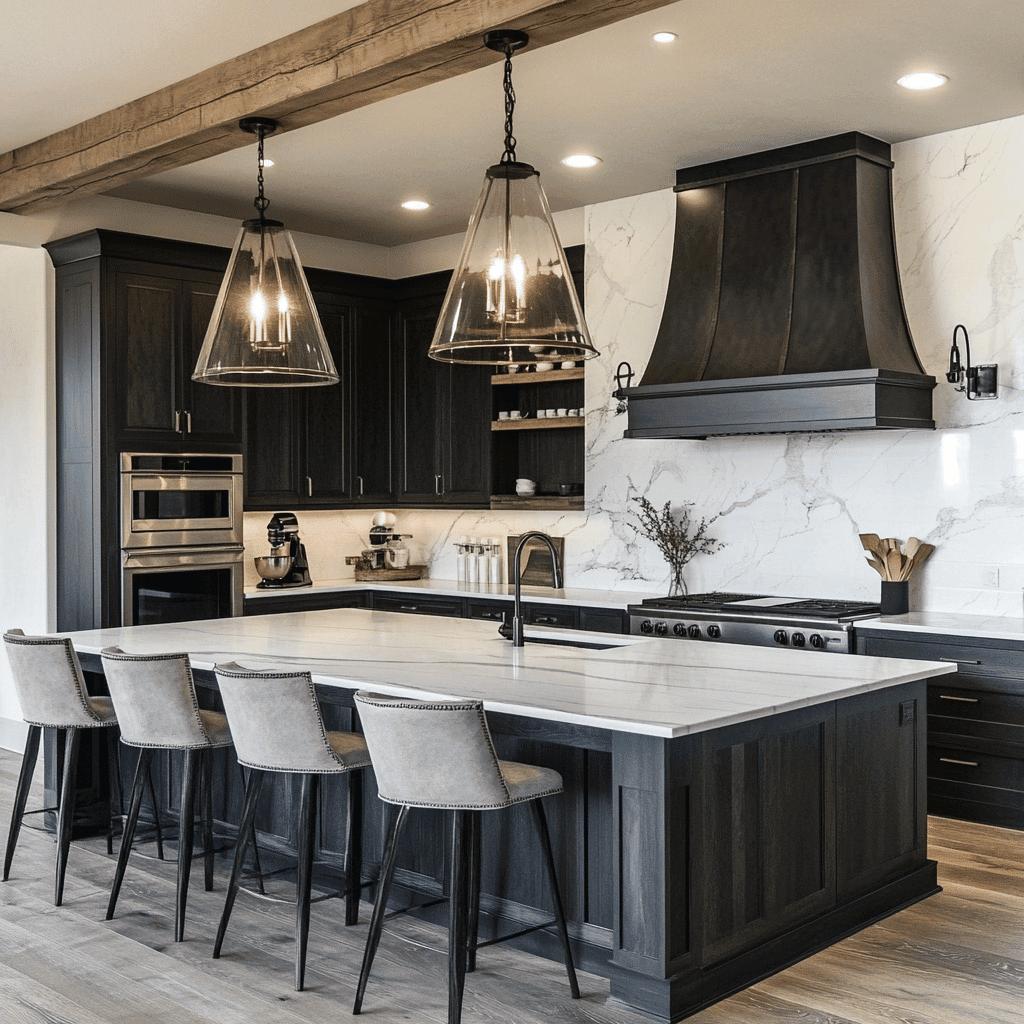
Modern Farmhouse blends the coziness of a traditional farmhouse with the clean simplicity of contemporary design. Rustic wooden beams and vintage accessories sit beside black metal fixtures and streamlined shapes, creating a space that feels warm, welcoming, and unmistakably current rather than dated.
Key Characteristics
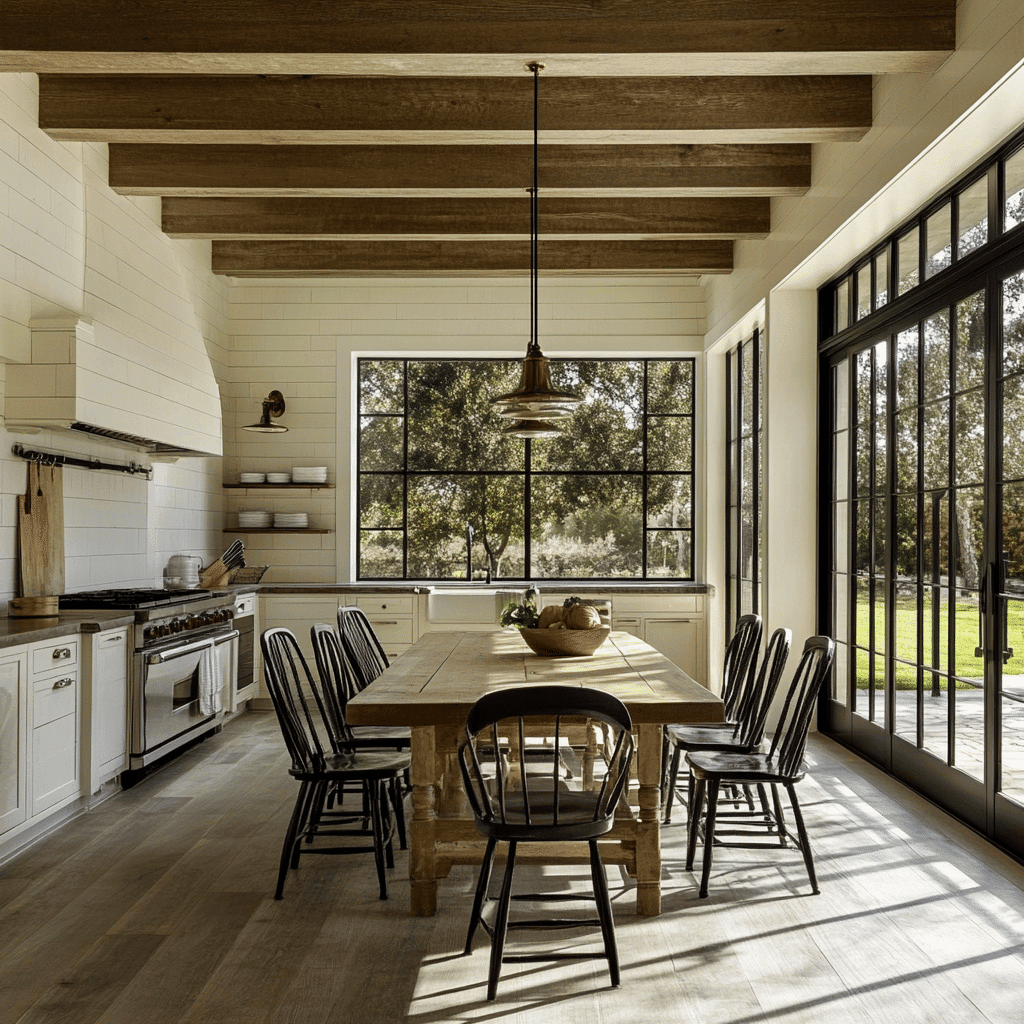
Weathered wood beams, exposed brick, and shiplap walls bring rustic character, while streamlined furnishings and minimal clutter keep the look modern. Open-concept layouts encourage gathering, and the overall vibe stays relaxed rather than precious — a little wear and tear is part of the charm.
Color Palette and Materials
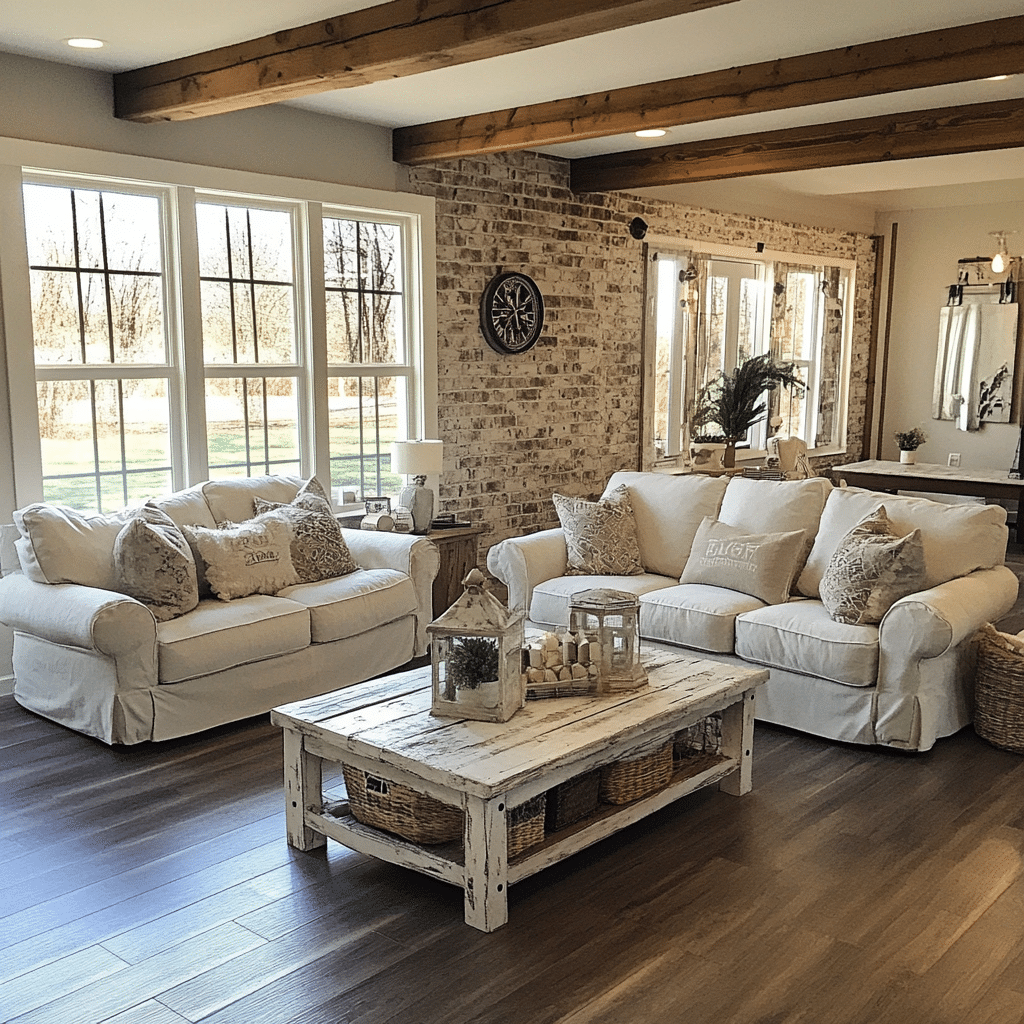
Whites, creams, and pale grays set an airy, neutral stage, with subtle color introduced through accents. Wood is the anchor material — floors, ceiling beams, furniture — bringing natural warmth, while black metal fixtures, iron hardware, and bronze details add contrast. Woven rugs and plush cushions round out the texture.
Styling Tips for a Cozy Vibe
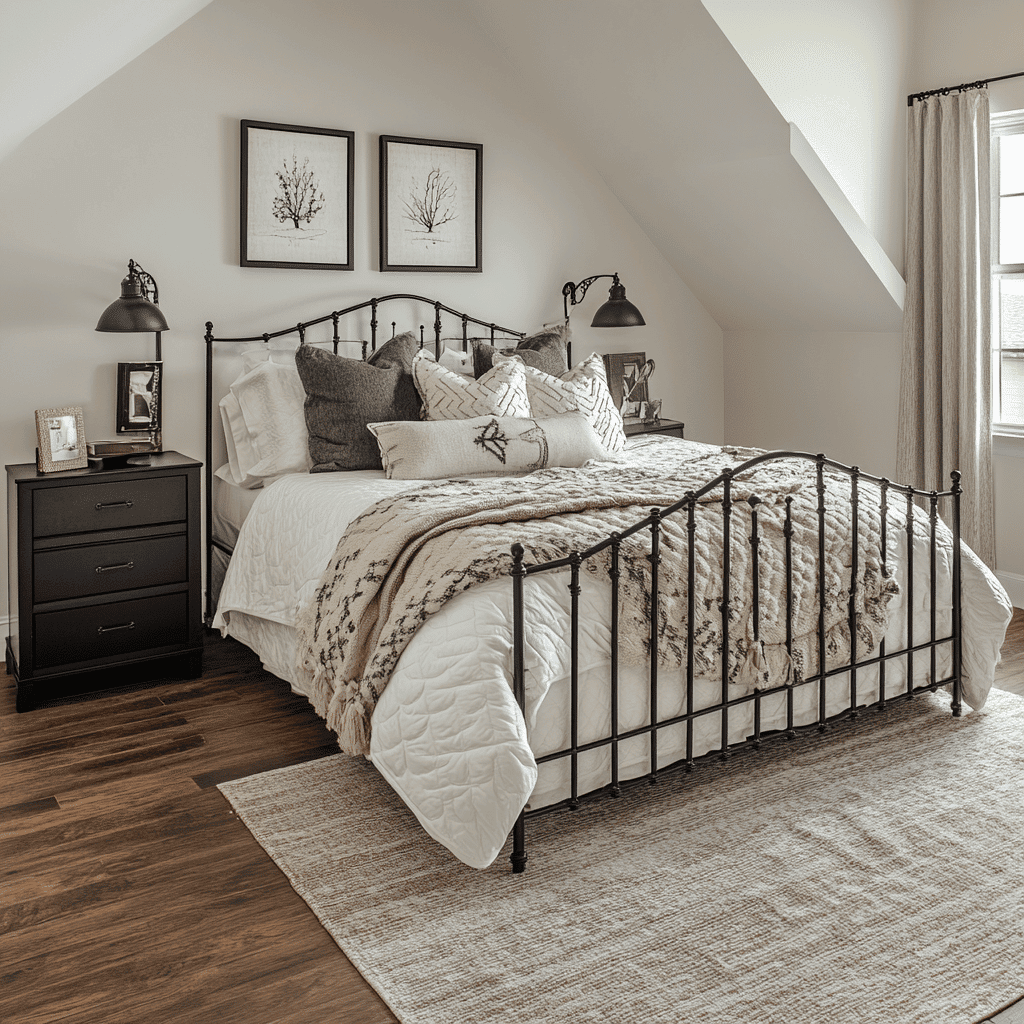
Layer in soft materials wherever you can: a chunky knit blanket on the sofa, a plush rug underfoot. Vintage finds, like a repurposed wooden crate used as a side table, add lived-in charm. Open kitchen shelving showcases everyday dishware, and a bit of greenery — fresh herbs on the windowsill or a statement fiddle-leaf fig — finishes the look.
3. Organic Modern Design Style
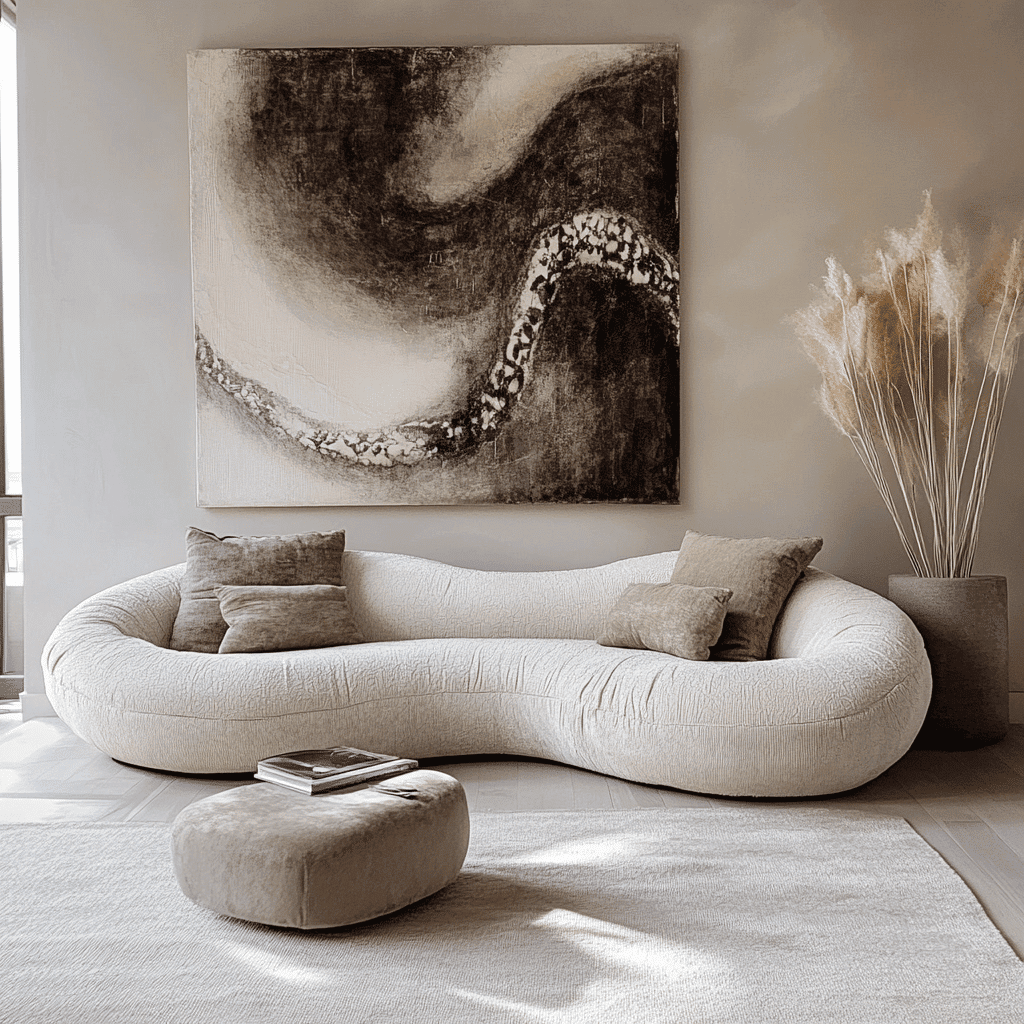
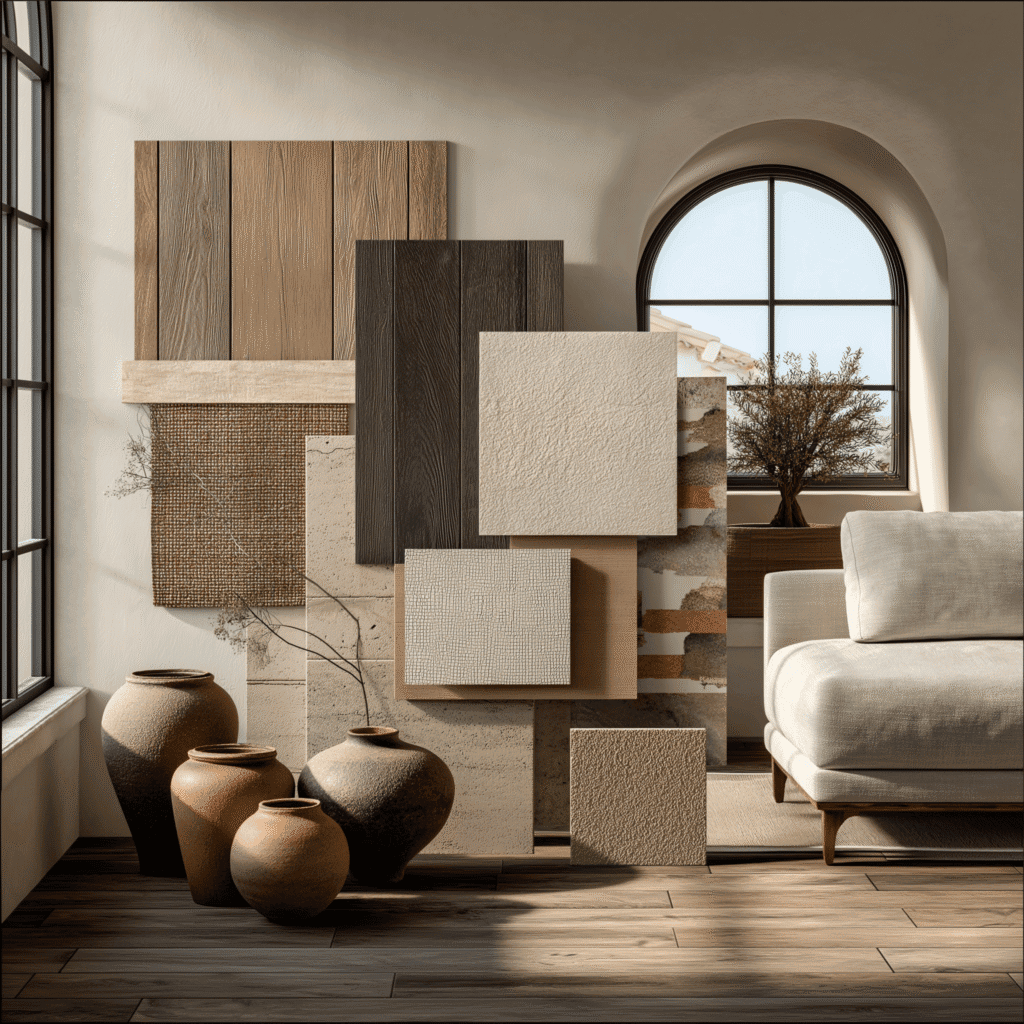
Organic Modern suits anyone who loves the sleekness of contemporary design but wants real warmth in the room. Simple shapes and clutter-free layouts pair with natural materials, creating a space that feels sophisticated and grounded at once. Large windows and abundant natural light highlight the organic textures throughout.
Defining Natural Elements
Wood, stone, and other raw materials take center stage, typically with a clean finish that still preserves their natural grain or texture. A live-edge coffee table or a stone accent wall are classic examples — understated rather than overtly rustic. Fabrics like cotton, linen, and wool add softness without feeling fussy.
Signature Features
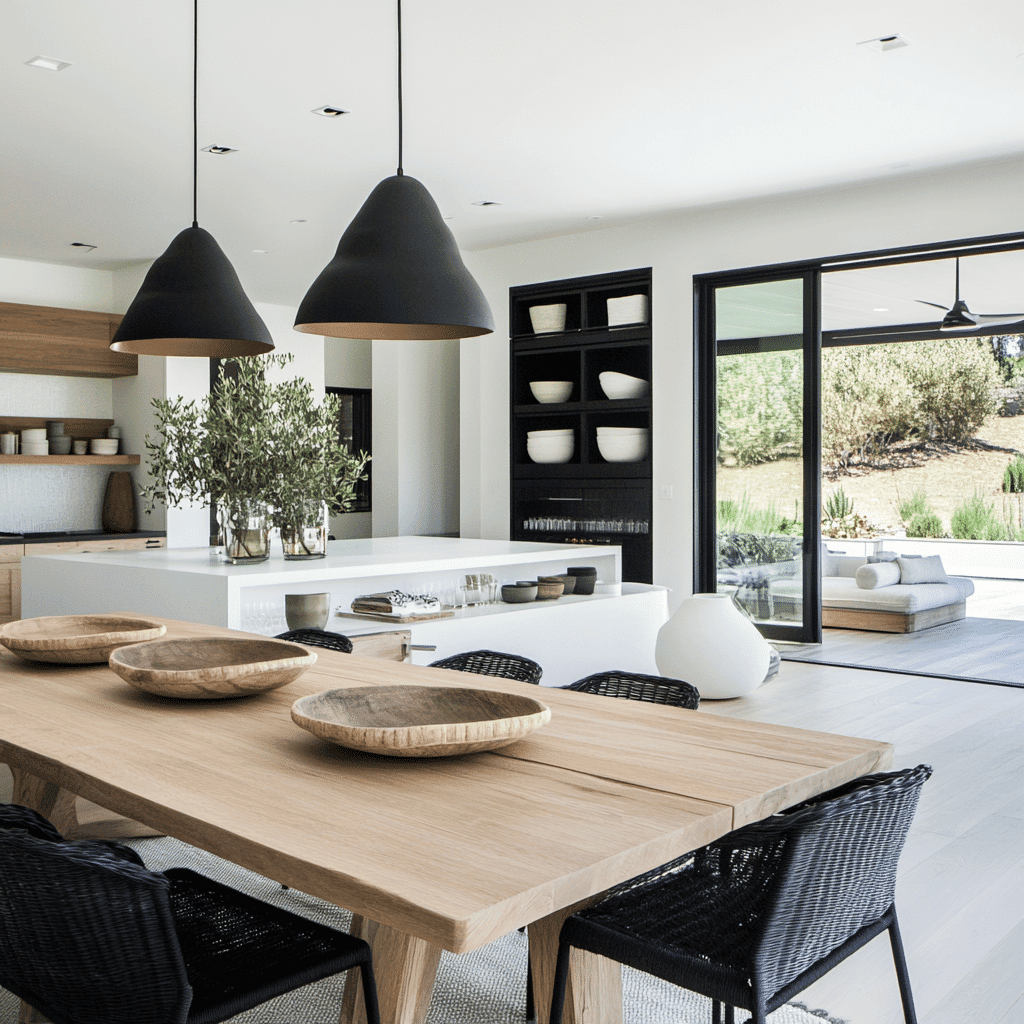
Expect a calm, neutral palette of whites, soft browns, and earthy beige tones as a base for natural textures. Furniture leans minimalist but not harsh, with gentle curves that maintain a serene mood. Floor-to-ceiling windows or large glass doors are common, visually connecting the interior with the outdoors.
Balancing Warmth and Minimalism
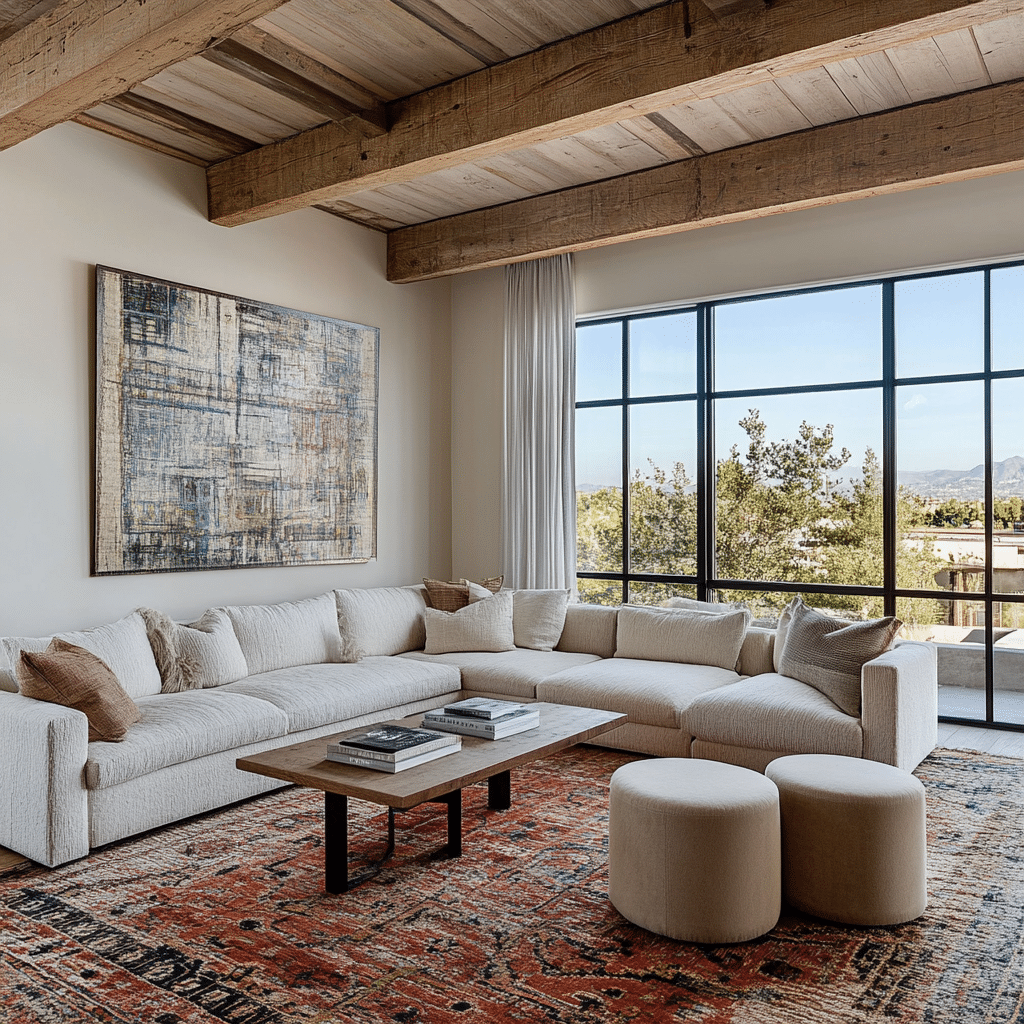
Soft textiles — cozy area rugs, woven throws, wall hangings — soften the crisp lines. Potted plants add color while reinforcing the style’s connection to nature. A ‘less is more’ mindset, focused on a few standout pieces rather than clutter, keeps the space tranquil and harmonious.
4. Mid-Century Modern Design Style
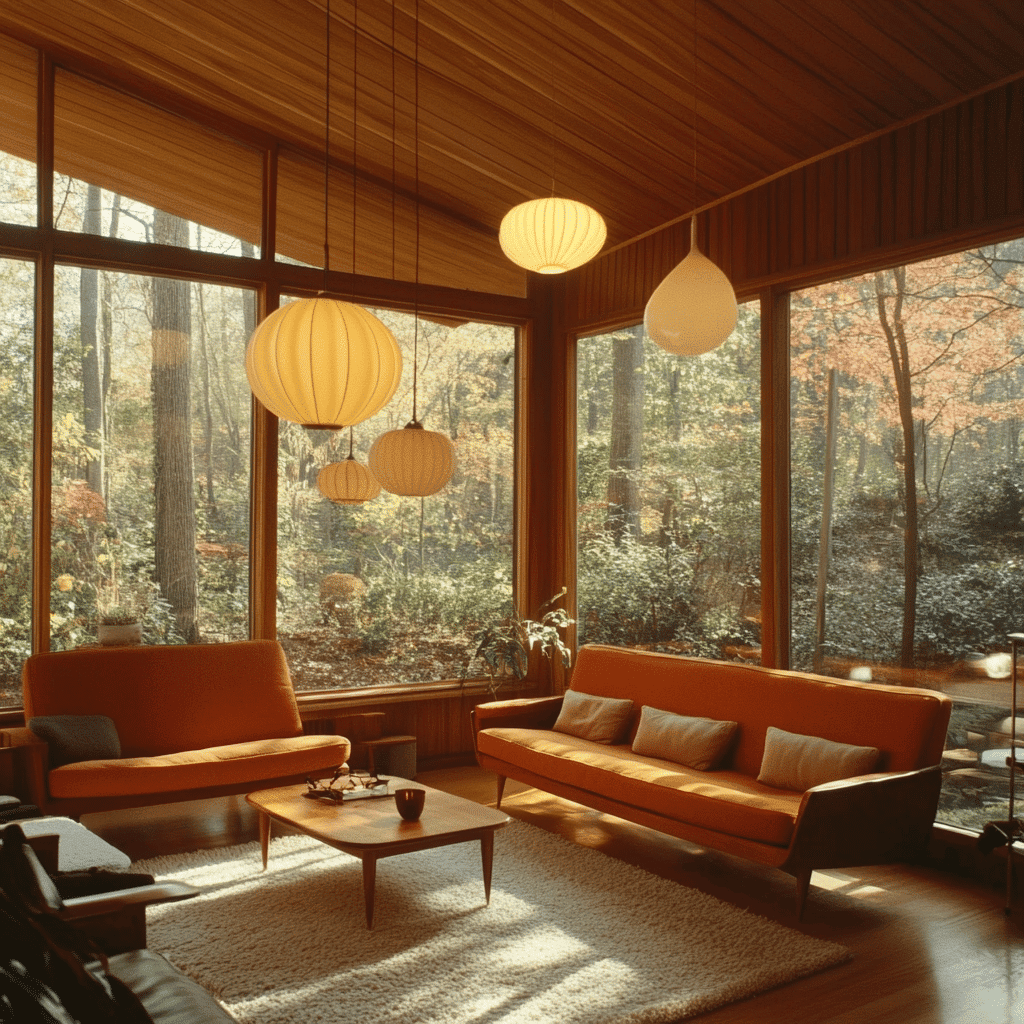
Mid-Century Modern has stayed relevant for decades because it’s simple, functional, and undeniably stylish. Rooted in mid-20th-century design, it favors minimalism and practicality with a dash of retro charm — versatile enough to work in a downtown loft or a suburban home alike.
Iconic Shapes and Forms
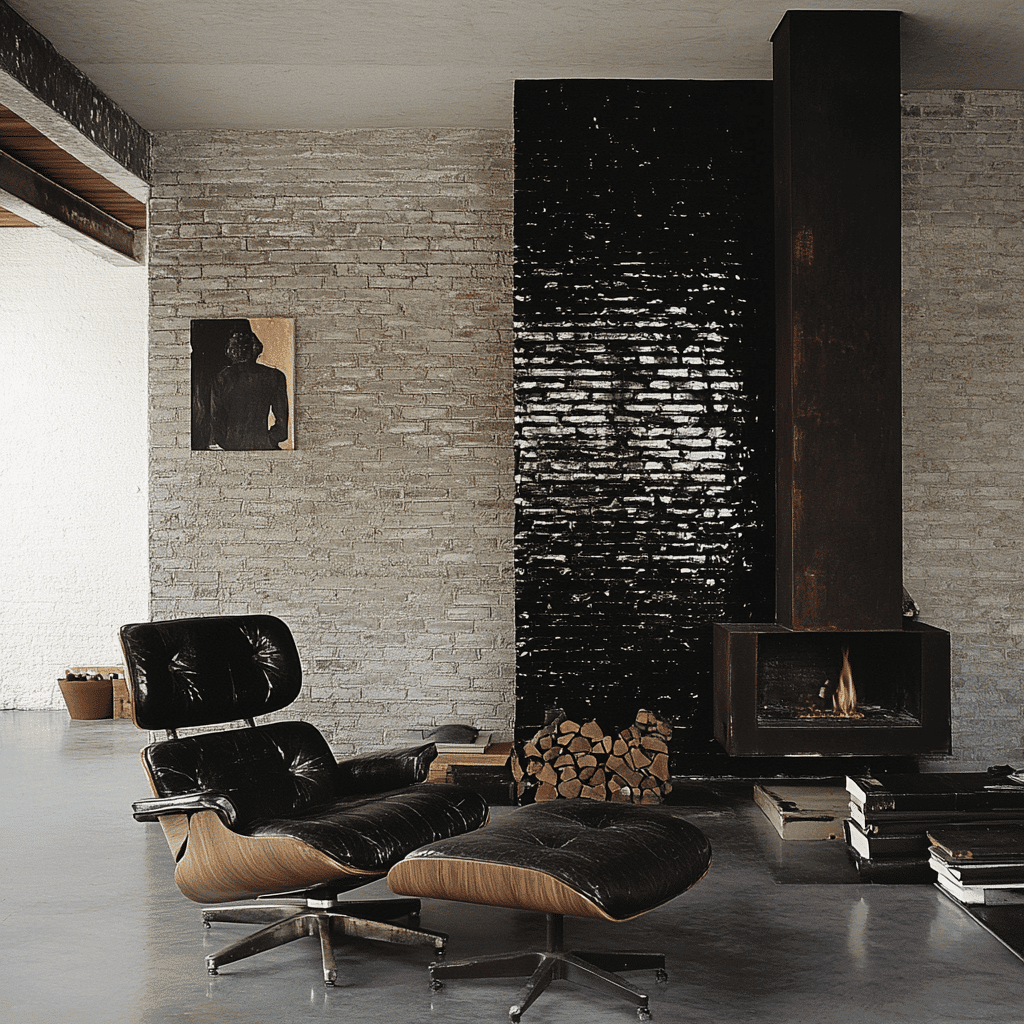
Certain pieces define the style instantly: an Eames-style lounge chair, a tulip table with its slender pedestal base, a credenza on angled legs. These pieces combine function and form so effectively that they’ve become design icons in their own right, often with clever storage or ergonomic comfort built in.
How to Add Vintage Pieces
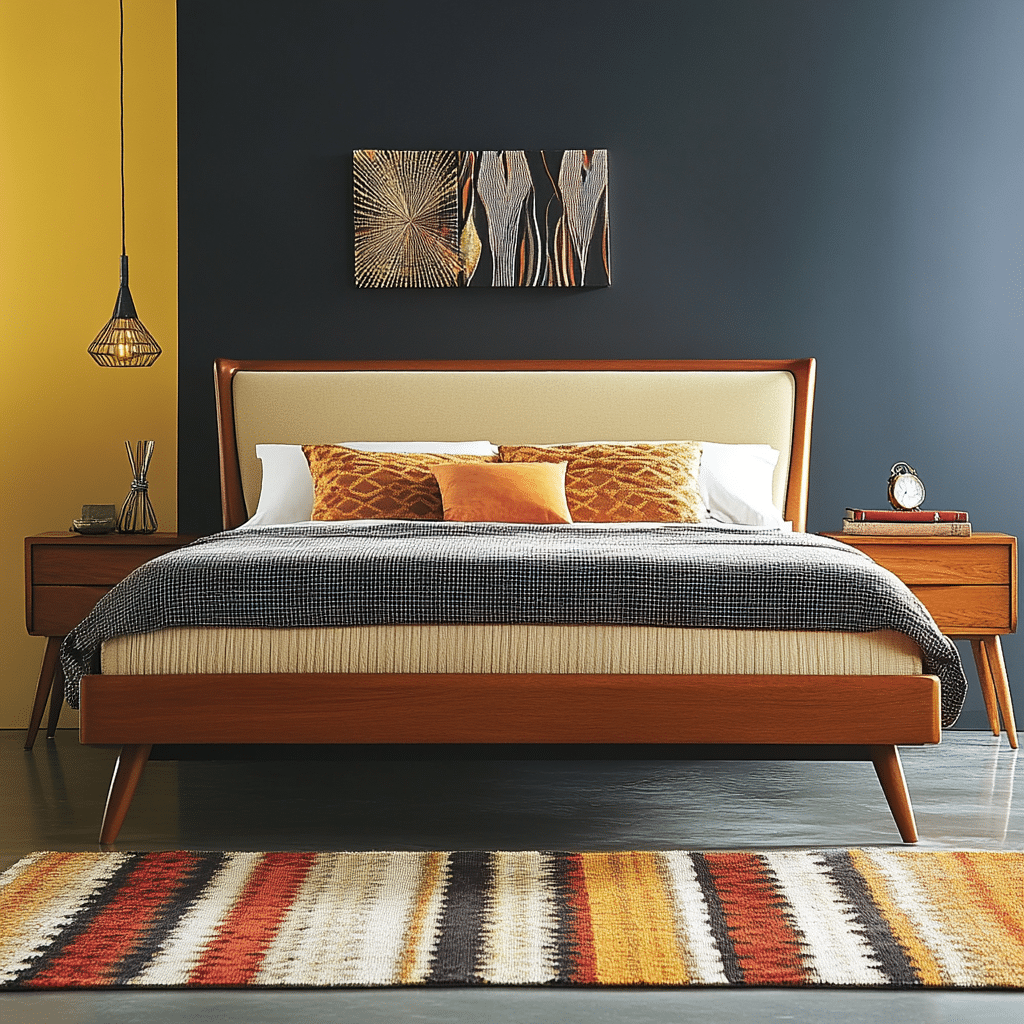
Flea markets, thrift stores, and estate sales are the best places to hunt for authentic finds — angled wooden legs, geometric patterns, sculptural lighting. Mixing genuine vintage pieces with modern reproductions, like a newly made sofa inspired by a 1950s silhouette, creates a space that feels personal rather than staged.
Modern Updates on a Retro Classic
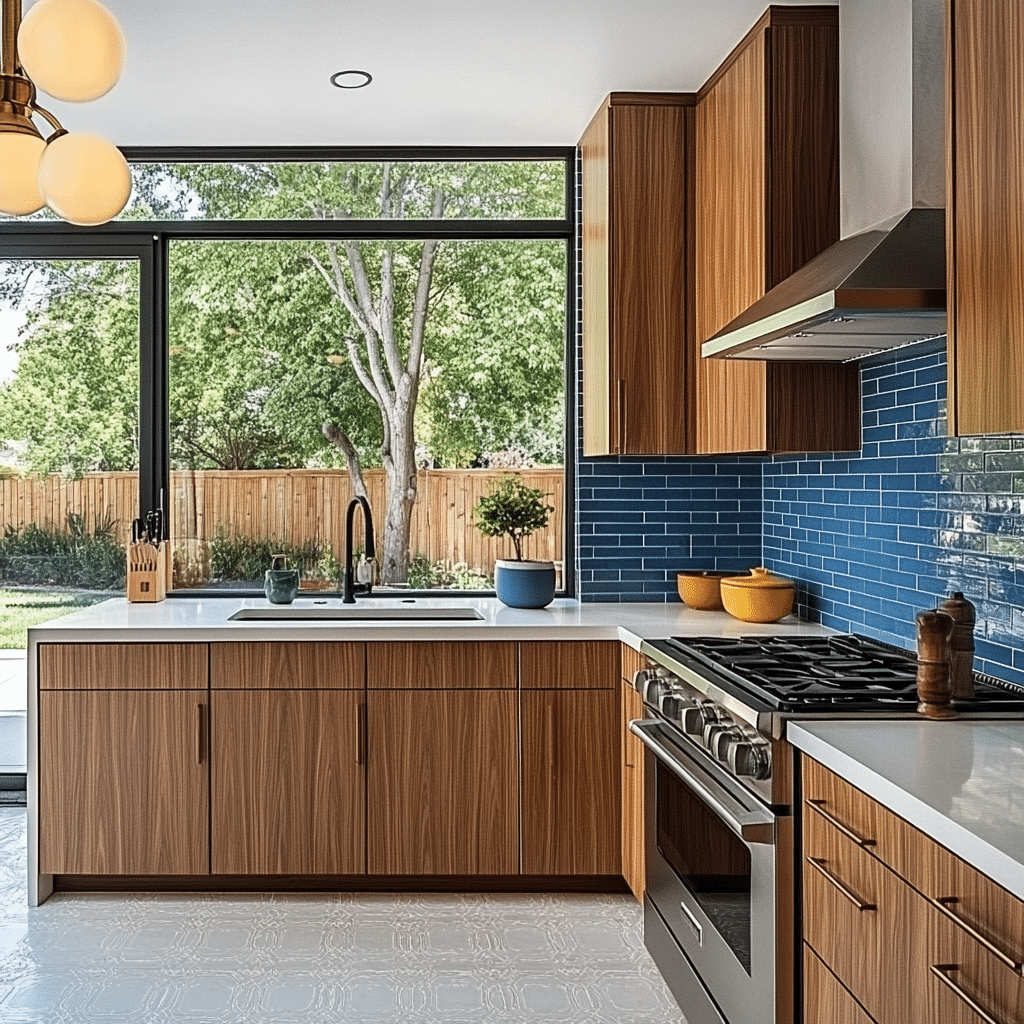
To keep a Mid-Century Modern room from feeling dated, balance vintage furniture with modern art or subtle tech upgrades — a wireless speaker on a walnut sideboard, a statement abstract painting above a retro sofa. Keeping cables and clutter hidden preserves that signature clean look.
5. Coastal Design Style
Coastal design captures warm breezes and easy, seaside living, no matter where your home is actually located. Natural light, breezy fabrics, and soft color palettes recreate that relaxed atmosphere through woven accents, beach-inspired art, and a palette of ocean blues and sandy neutrals.
Breezy and Airy Aesthetics
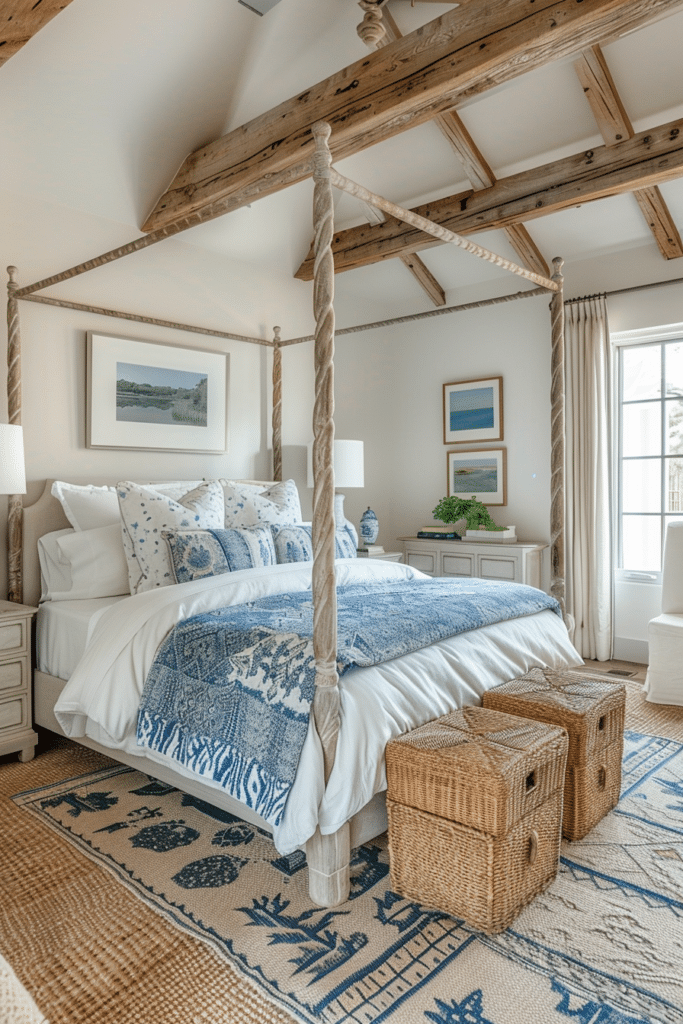
Keep windows clear or dress them in sheer curtains to maximize natural light. Lightweight furniture and restrained decor leave room to breathe, while glossy surfaces and mirrors help bounce light around the space. Natural textures like rattan and jute add warmth without visual weight — the goal throughout is to avoid clutter and let the airy feel take center stage.
Choosing a Coastal Color Palette
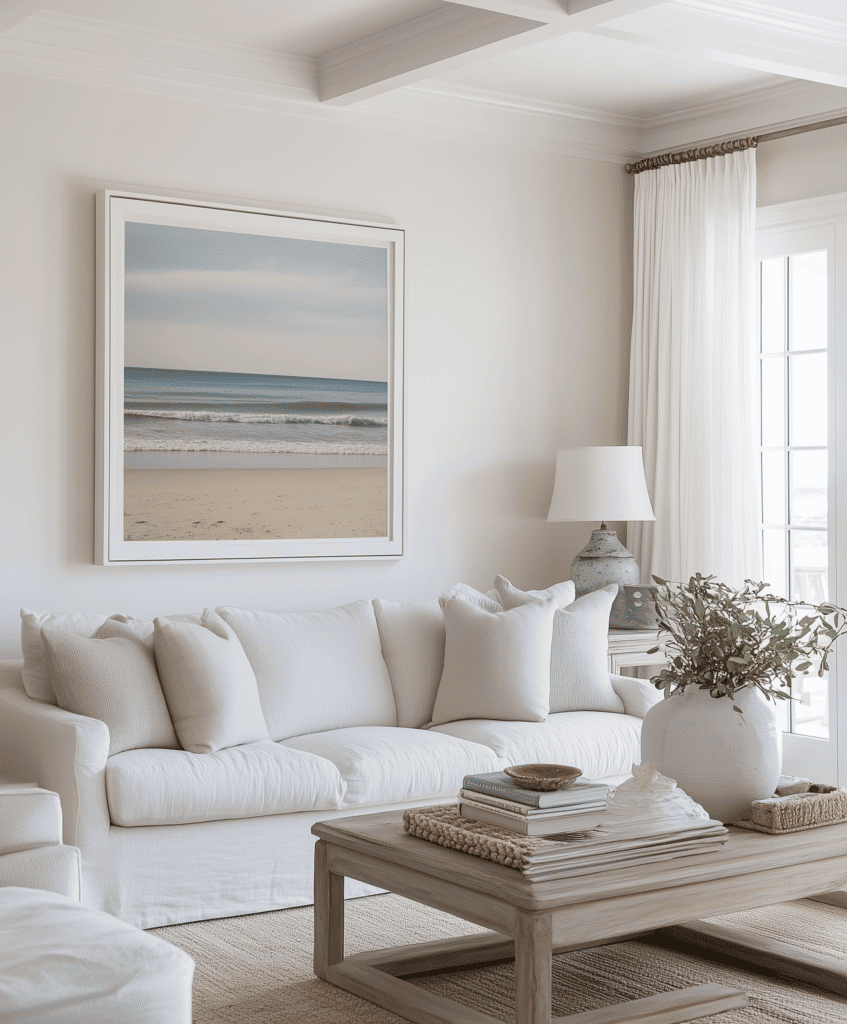
Start with crisp white or soft cream walls to create an airy canvas, then bring in ocean-inspired blues — powder, aqua, navy. Subtle greens echo seagrass, while neutrals like beige or light gray ground the space. A pop of coral or sunny yellow finishes the palette with warmth.
Adding Beachy Accents
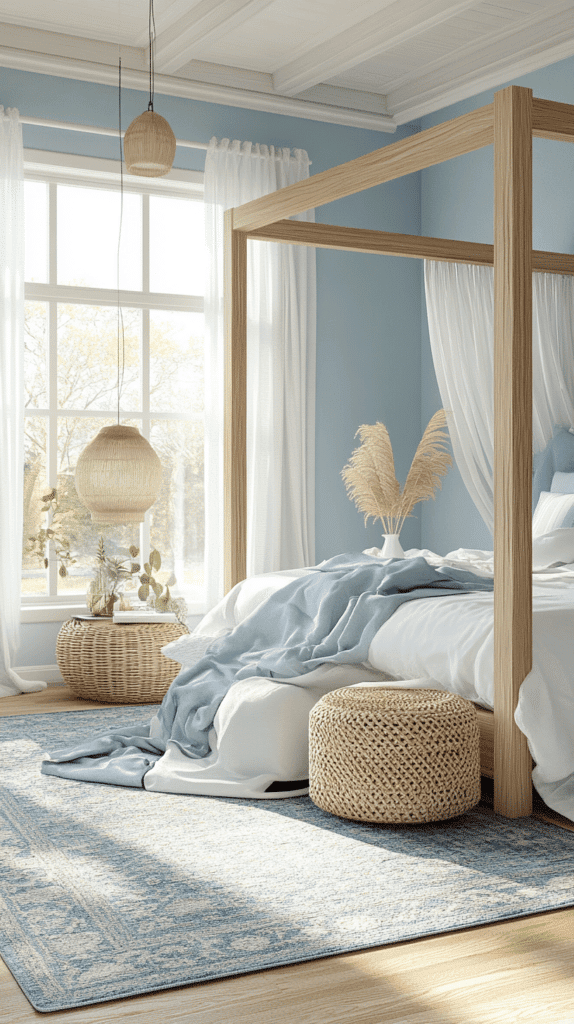
Driftwood pieces, woven baskets, and framed seashells reinforce the seaside mood, while nautical touches like striped pillows or rope decor add character without tipping into theme-park territory. Natural materials — linen throws, cotton slipcovers, bamboo blinds — keep everything feeling breezy, and uncluttered surfaces let each accent stand out.
6. Scandinavian Design Style
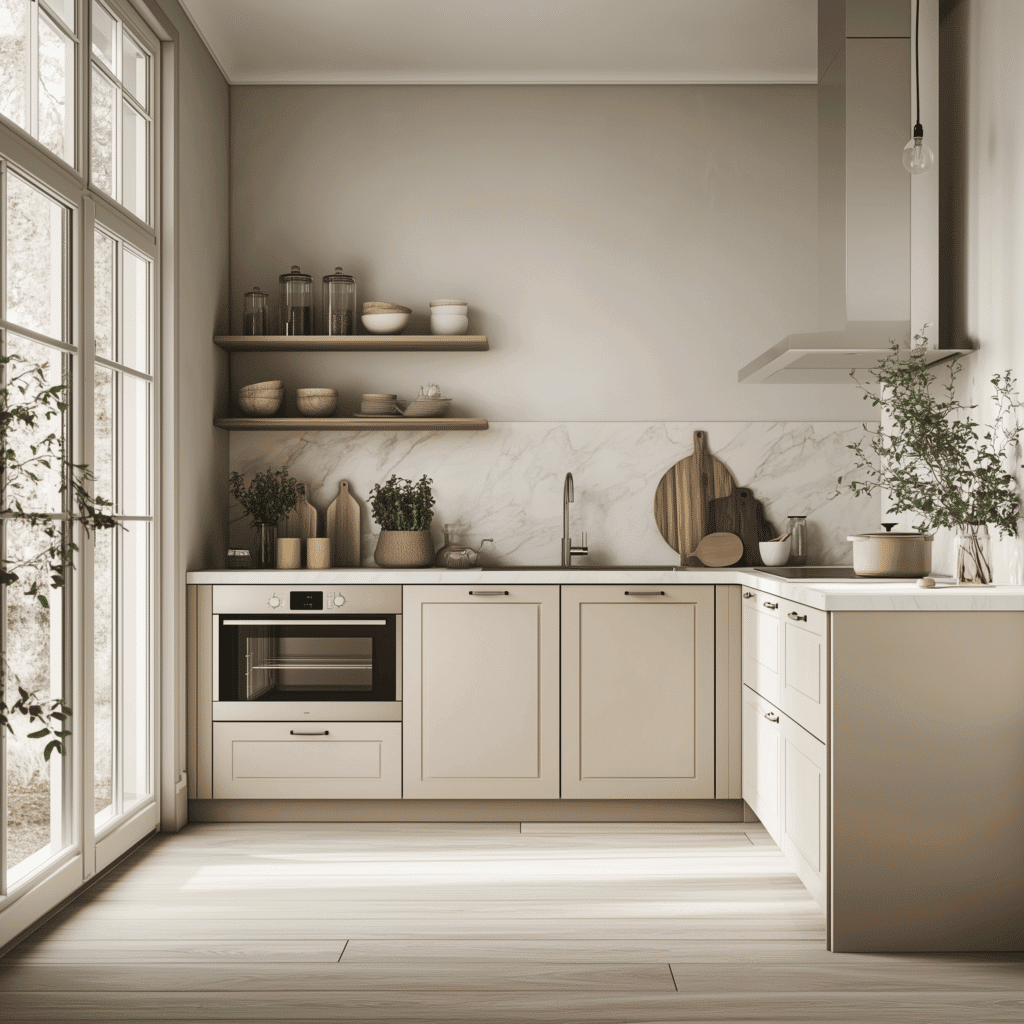
Scandinavian design feels like a breath of fresh air — clean, uncomplicated, and quietly comforting. It strips away the non-essential so that what remains genuinely adds warmth. The Danish concept of hygge captures the philosophy well: coziness in service of well-being, supported by abundant natural light, functional furniture, and a calm palette.
Minimalism Meets Functionality
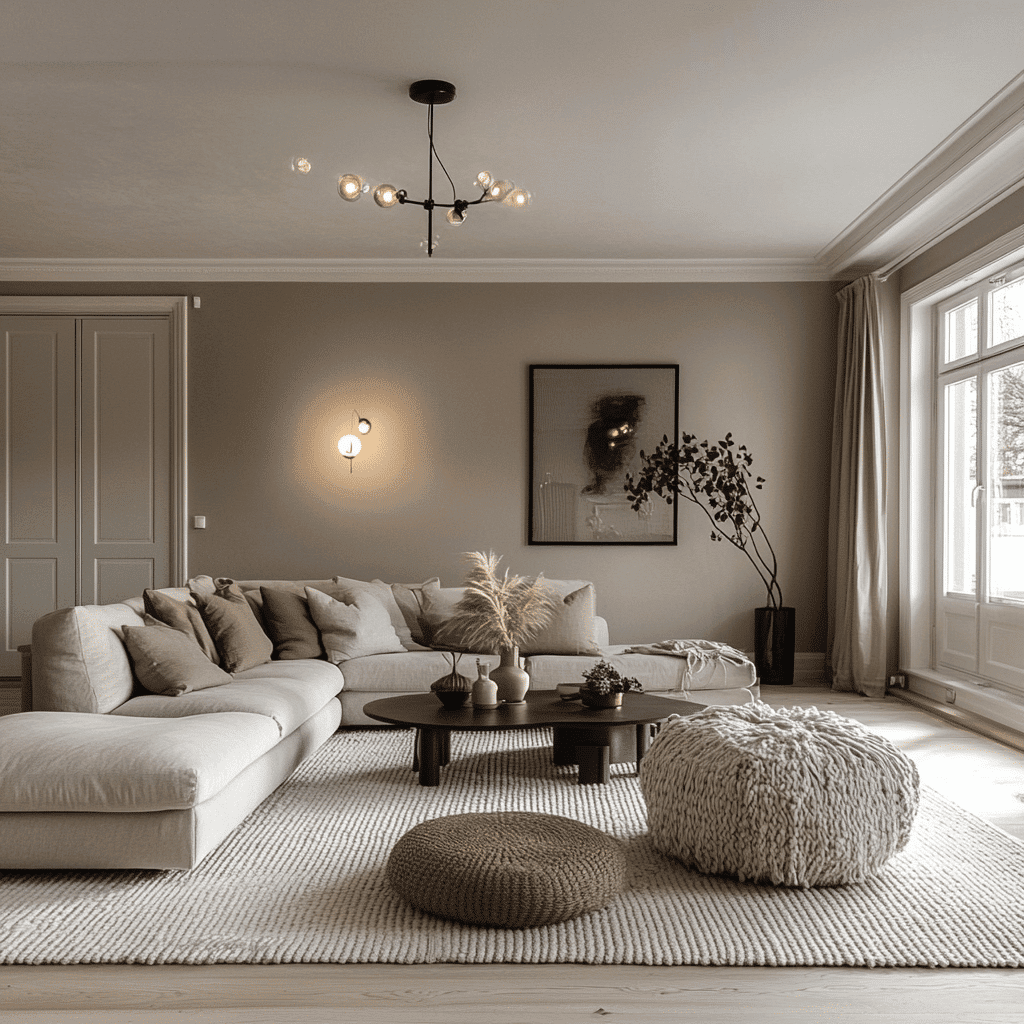
Less is more here. Rooms stay airy and streamlined, with furniture chosen for sleek shapes and practical features — a dining table with hidden storage, a sofa that’s both compact and comfortable. Even decorative items are chosen with intention, resulting in a balanced, easy-to-move-through space.
Neutral Tones and Subtle Hues
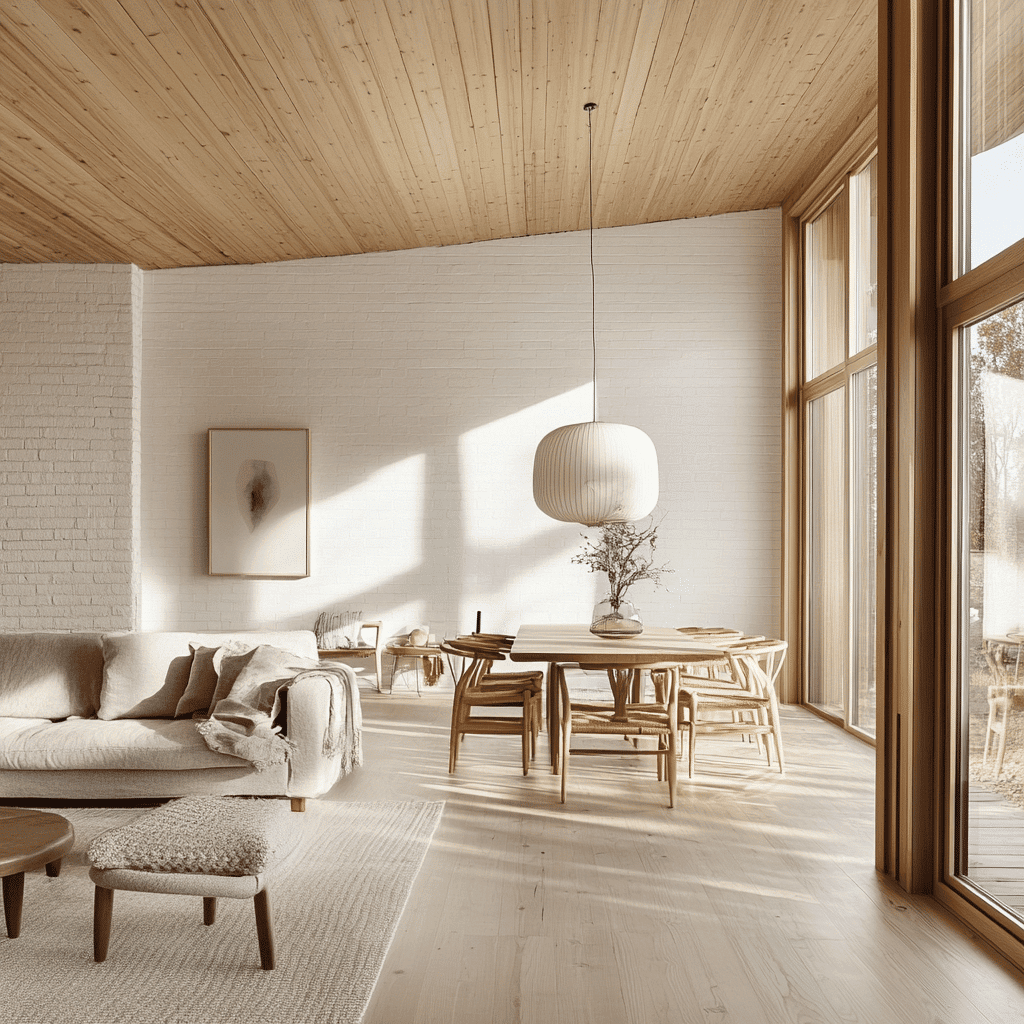
Soft whites, creams, and gentle grays dominate, often complemented by light wood finishes that keep the room feeling bright even with limited daylight. A few muted pastel accents — a dusty pink cushion, a pale blue vase — add personality without disrupting the calm, and can be swapped seasonally.
Cozy and Hygge Elements
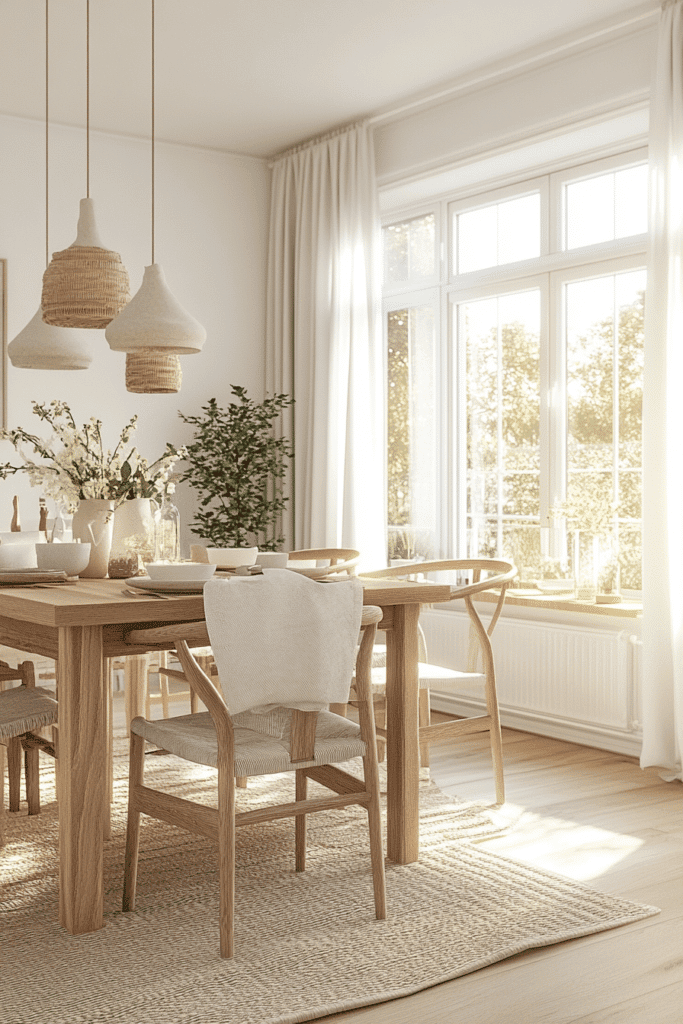
Texture carries a lot of the warmth in Scandinavian interiors: thick knit throws, plush rugs, layered bedding. Wooden floors and woven baskets reinforce the simplicity, while bare windows or sheer curtains let in daylight. In the evening, soft lamps and candlelight create the serene mood hygge is built around.
7. Boho Design Style
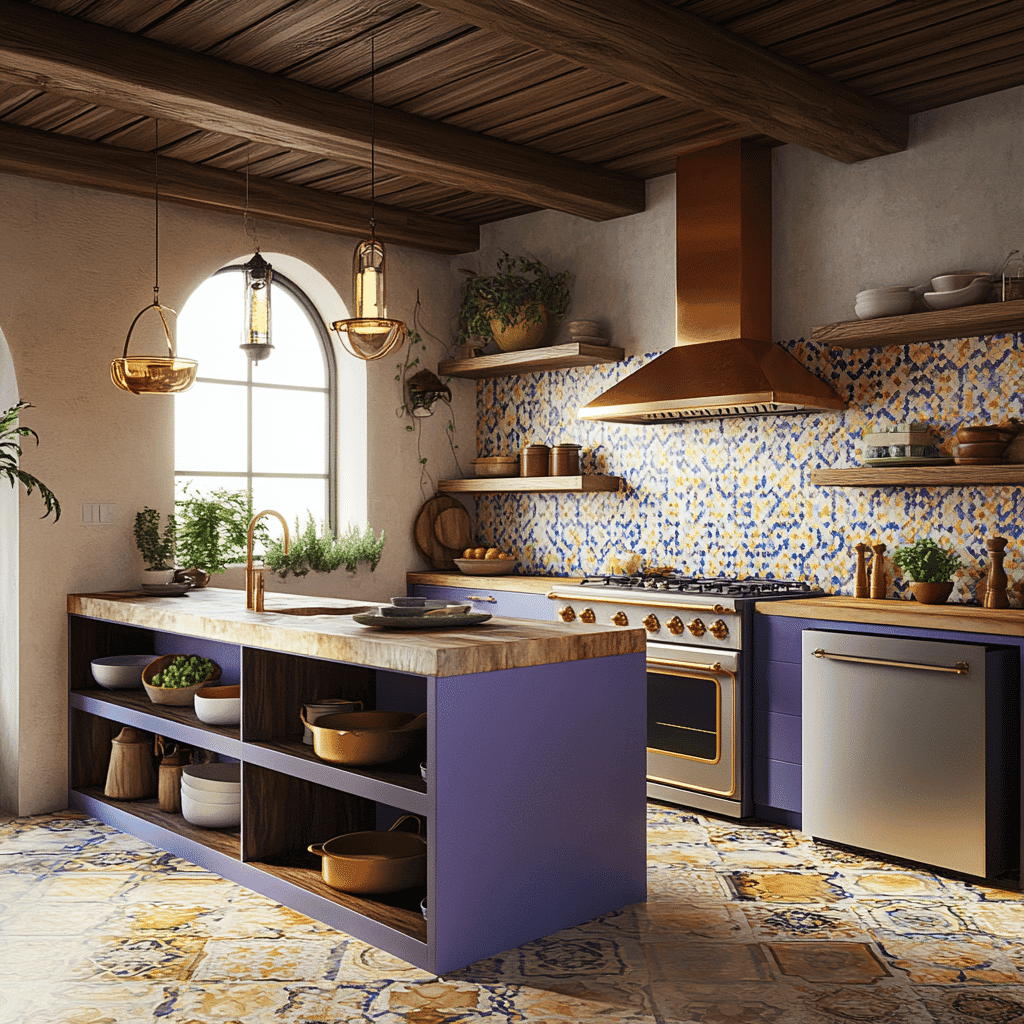
If color, texture, and a bit of whimsy speak to you, Boho — short for bohemian — might be your style. It prioritizes personal expression over strict rules, filling a space with global treasures, soulful artwork, and a playful mix of pattern. Think of it as curated chaos that tells your story.
Embracing Eclectic and Free-Spirited Vibes
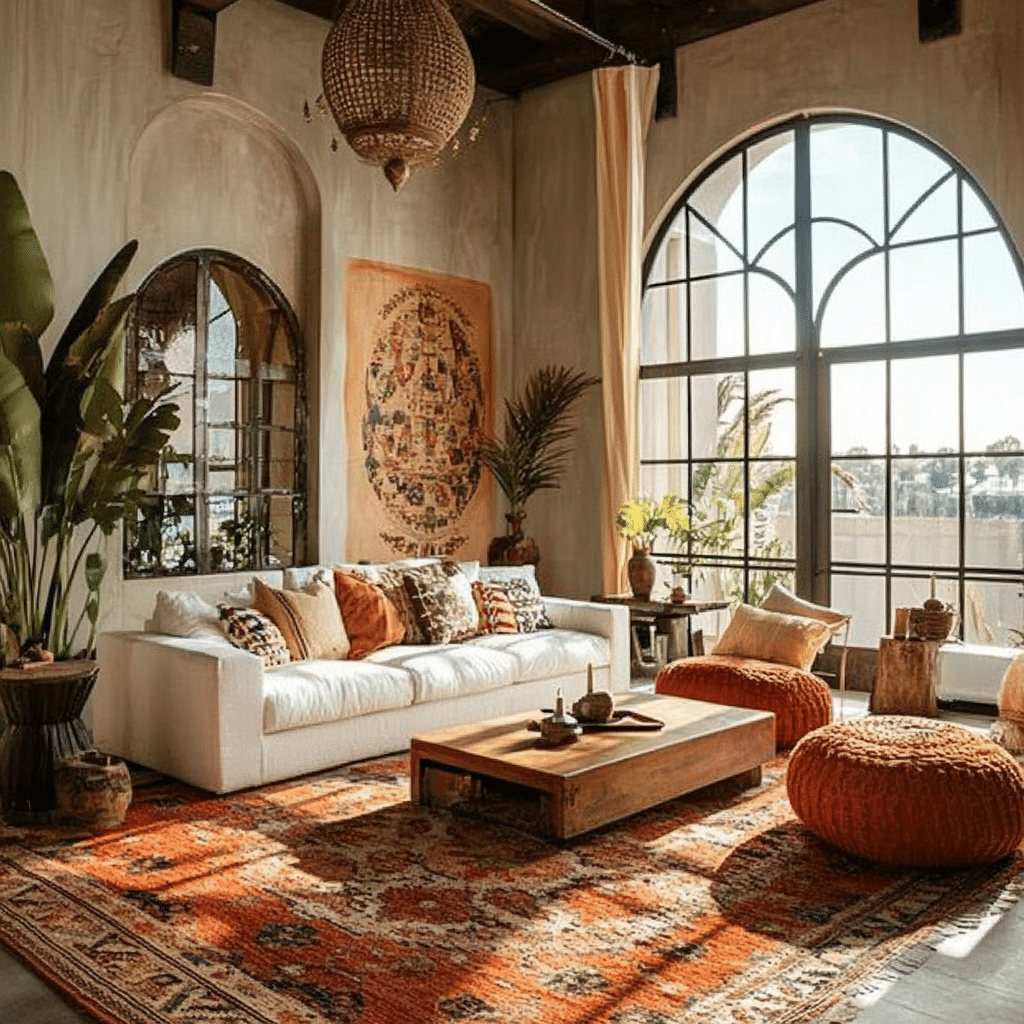
Boho invites boldness over perfection. Blend items from different cultures and eras — a vintage trunk as a coffee table, Moroccan poufs for seating, an Indian tapestry as wall art — and mix in modern pieces for a personal twist. If something sparks joy and tells a story, it belongs.
Layering Textiles and Patterns
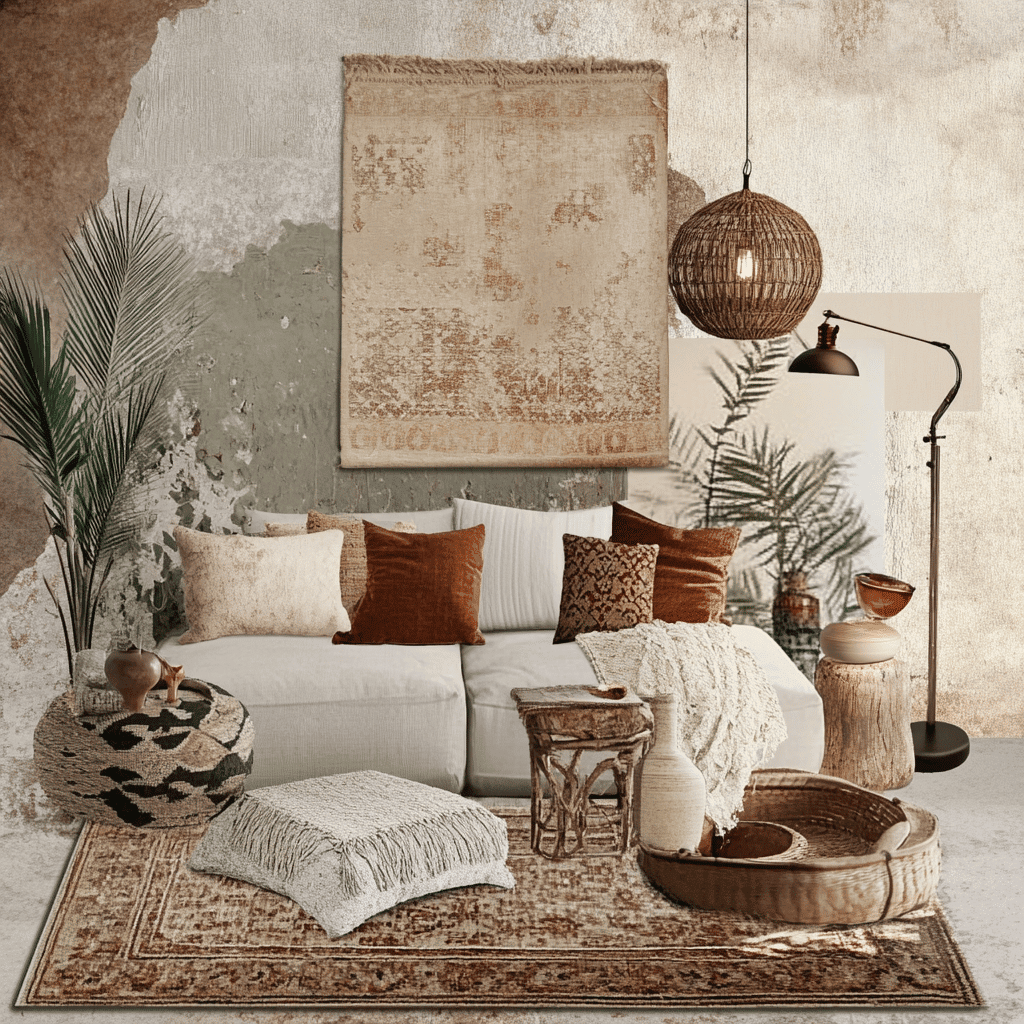
Start with a larger rug, like a Persian or Moroccan design, then layer smaller rugs or runners on top. Mix throw pillows in different sizes and textures, keeping at least one unifying color running through them. Macramé wall hangings and handwoven blankets add depth, and a common hue or motif can tie clashing patterns together.
Tips for a Boho-Chic Touch
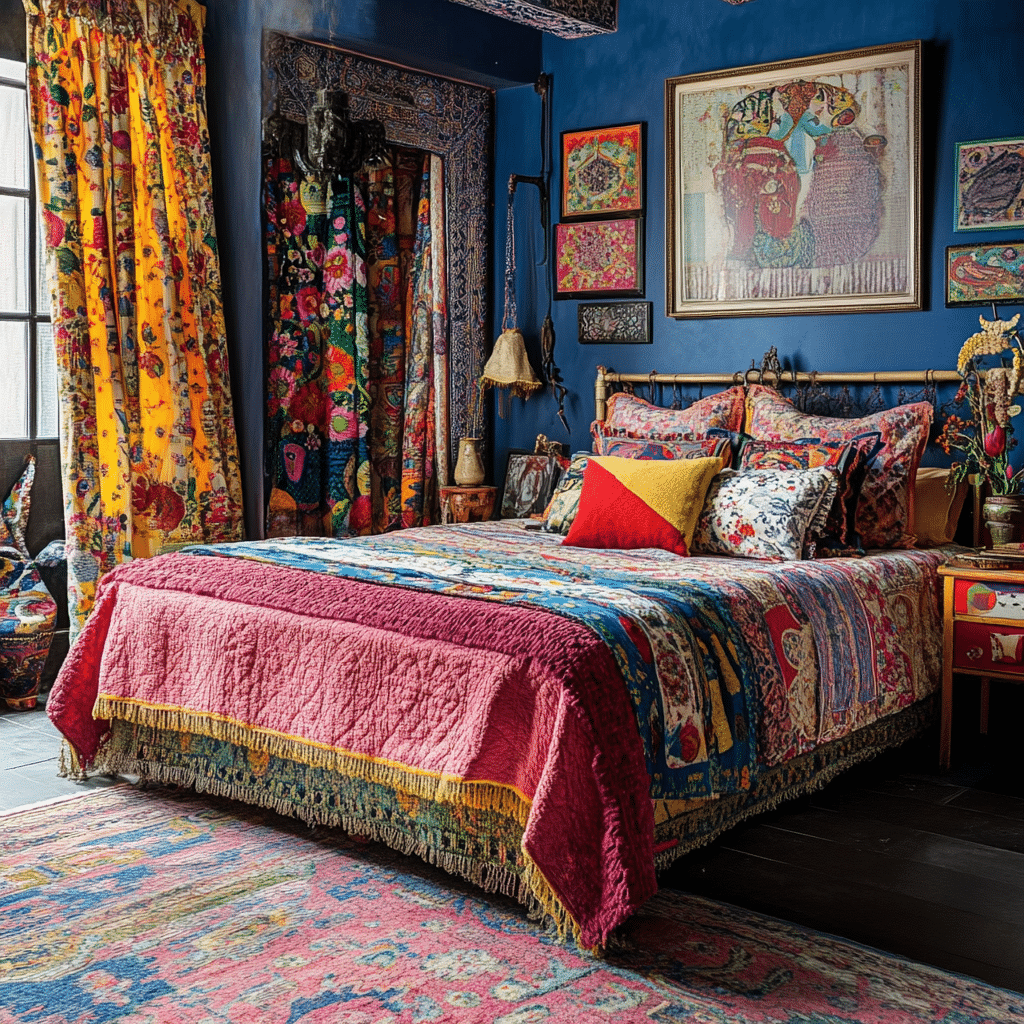
Lean into natural materials — rattan, wicker, bamboo, reclaimed wood — and plenty of plants, from hanging vines to a statement fiddle-leaf fig. Global finds like a hand-painted Moroccan lantern or an Indian tapestry add character, while layered lighting — string lights, lanterns, floor lamps — sets a cozy mood after dark.
8. Modern Rustic Luxe Design Style
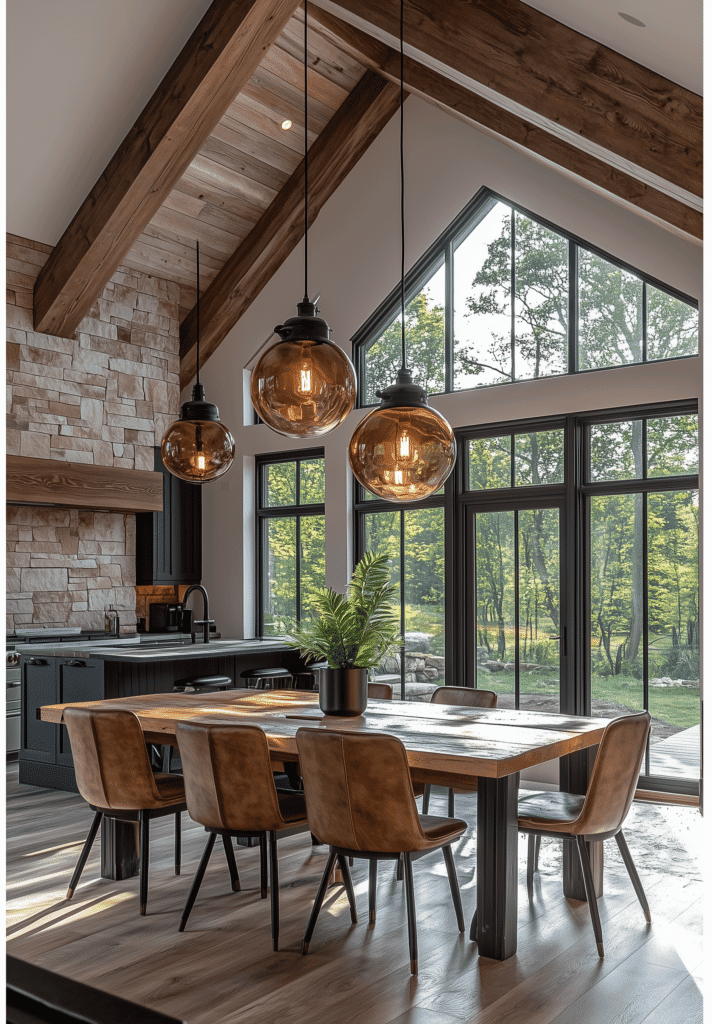
Modern Rustic Luxe blends the coziness of rustic design with sleek modern touches and a hint of glamour. Warm wooden beams meet polished marble countertops; sturdy metal lighting sits above soft, comfortable sofas. It’s a natural fit for anyone updating a farmhouse or adding upscale warmth to a contemporary home.
The Modern-Rustic Fusion
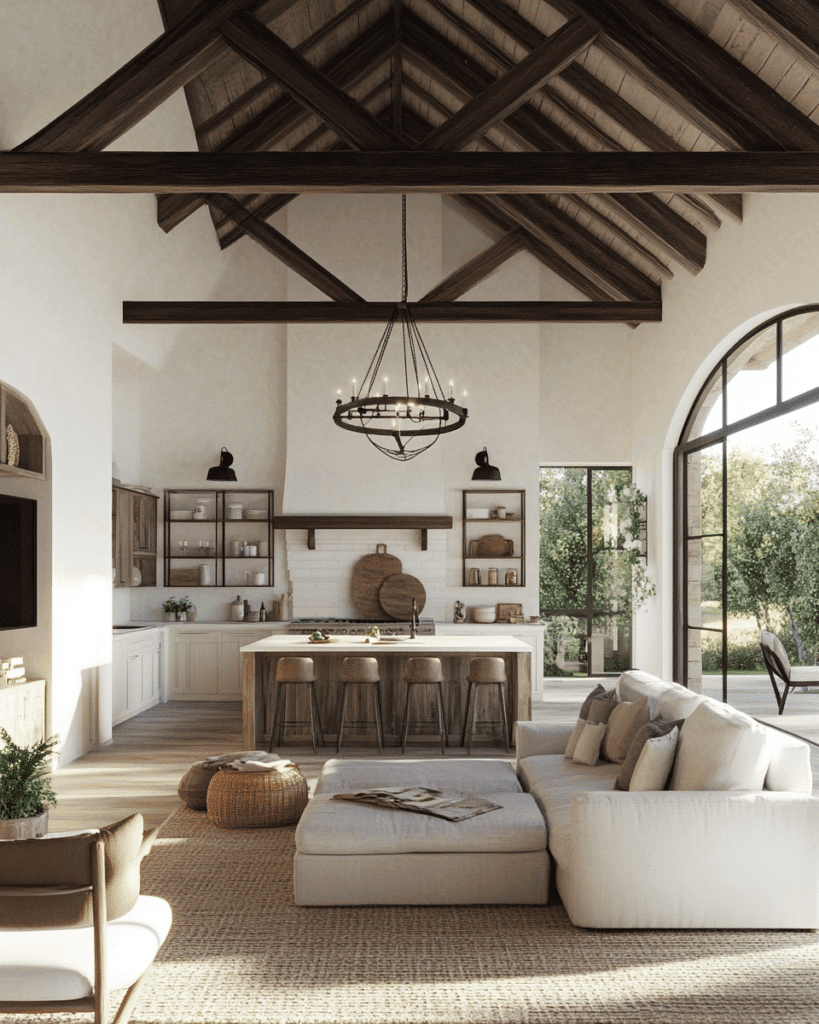
A sturdy wooden beam paired with smooth marble, or industrial metal lighting above a plush sofa, gives the style its balanced, layered look. Neither element overpowers the other — the goal is harmony between rugged natural texture and sleek modern finish.
Choosing the Right Materials
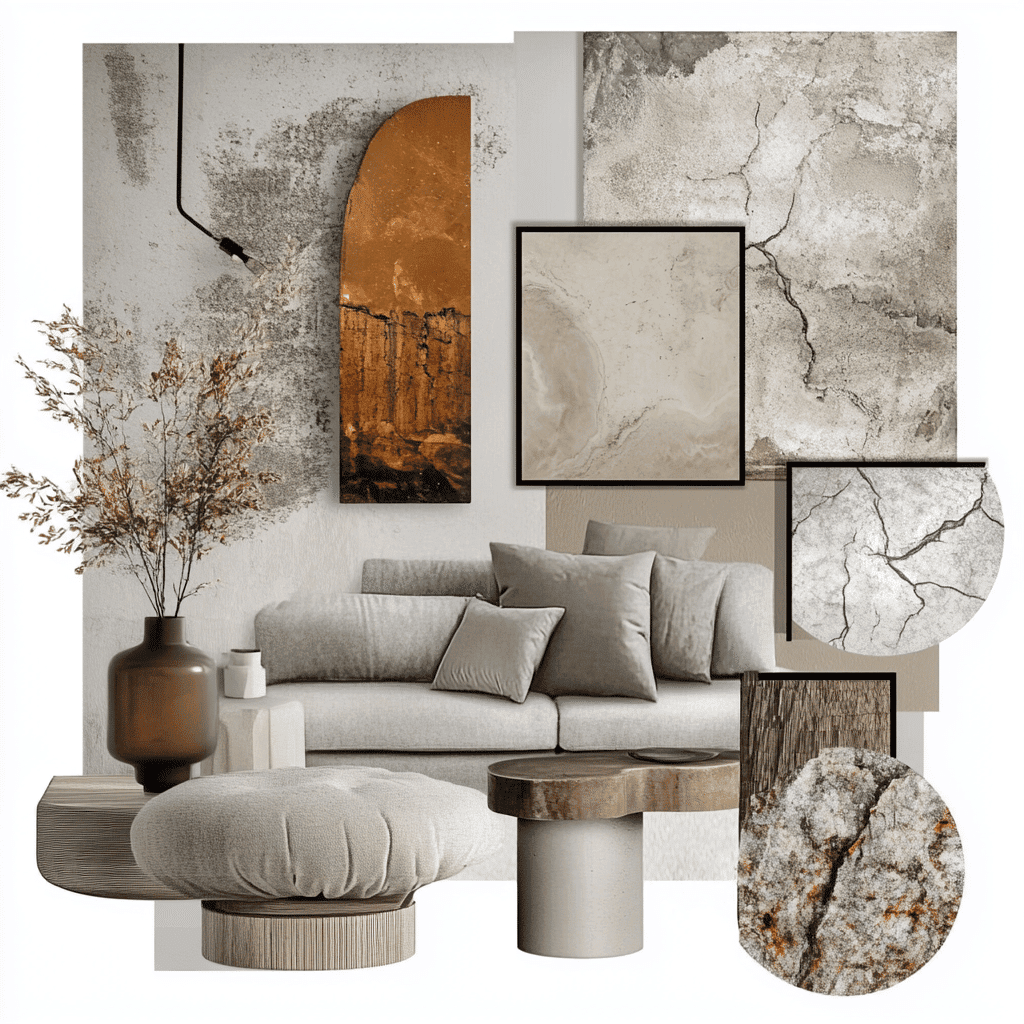
Reclaimed or weathered wood, natural stone, and metal finishes form the foundation of this style, bringing authentic character alongside a touch of polish. Investing in well-made pieces pays off over time, and pairing rustic materials with refined details, like a smooth stone countertop, keeps the balance intact.
Luxury Touches and Finishing
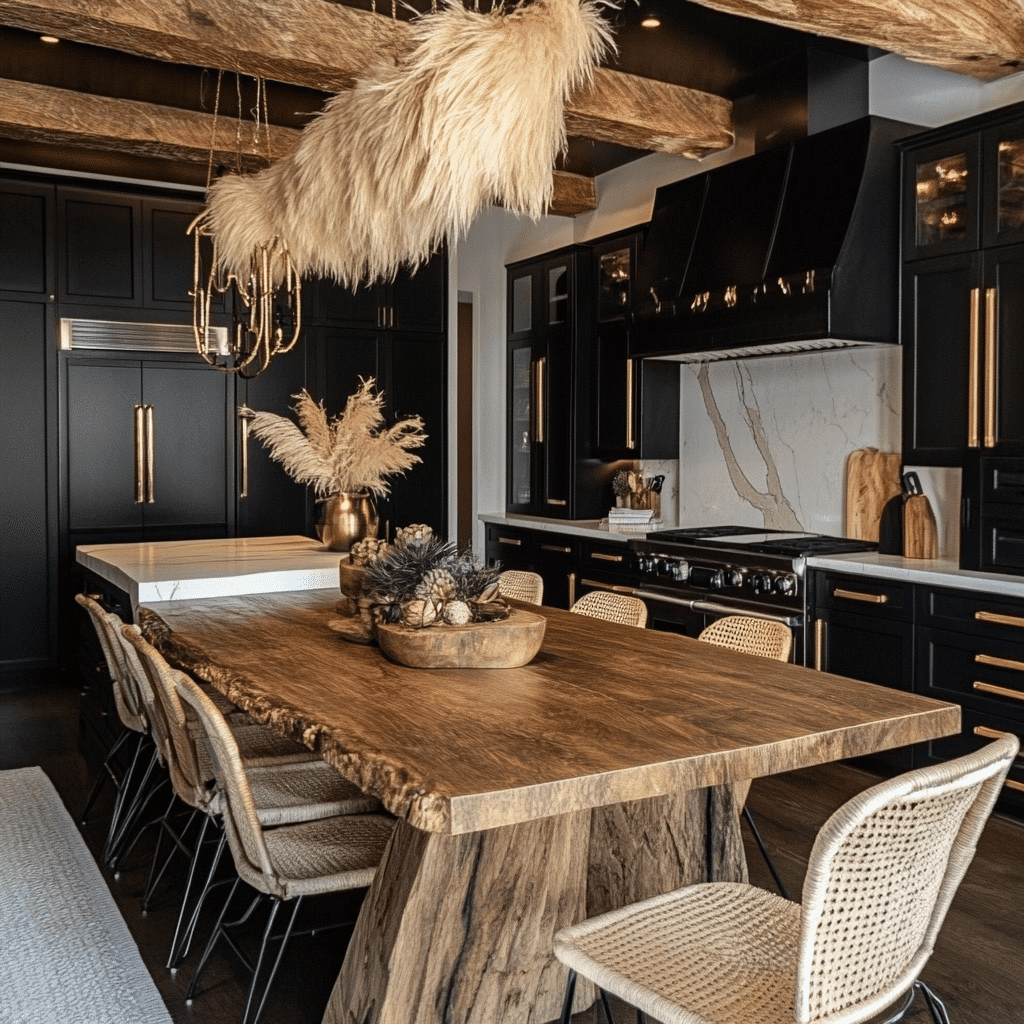
Velvet throw pillows, leather accents, and gold hardware transform a casual rustic base into something more refined. Stick to a neutral or earthy palette, but don’t shy away from a deep blue or forest green accent for sophistication. Elegant lighting fixtures complete the look.
9. Traditional Design Style
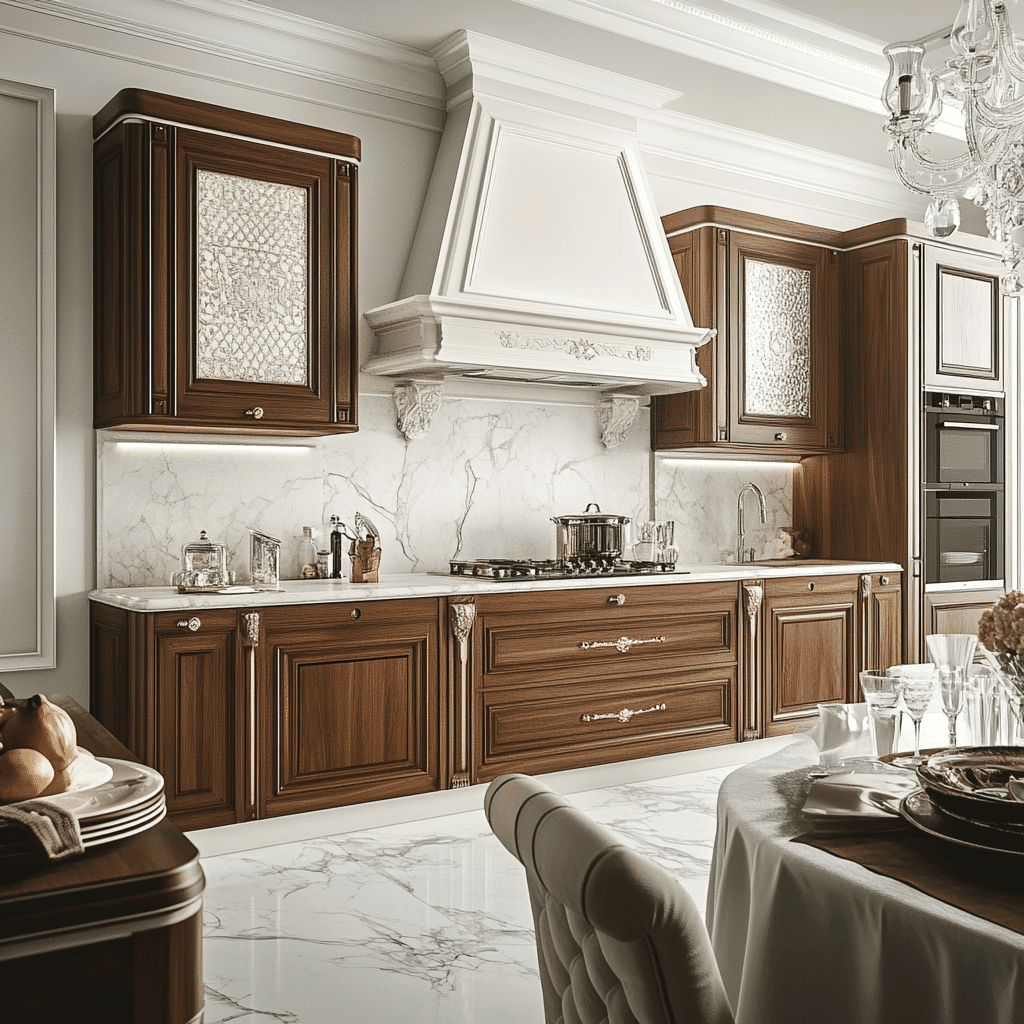
Traditional interiors carry a timeless appeal that never really goes out of style — classic furniture shapes, rich fabrics, and an overall sense of craftsmanship and history. Beautifully made wood pieces, cozy upholstered sofas, and elegant accessories give the space a grand yet welcoming feel.
Classic, Elegant Foundations
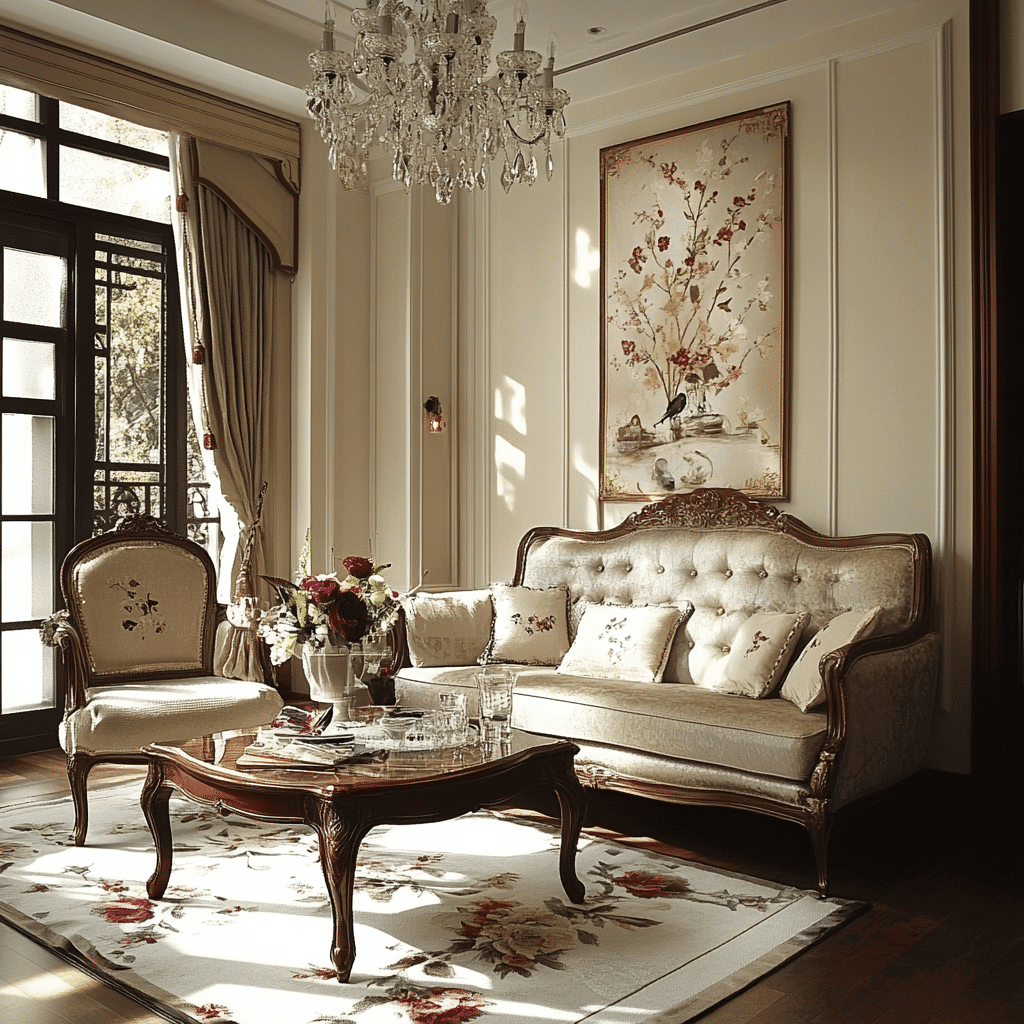
Furniture in traditional interiors often features graceful curves, detailed carving, and luxurious fabrics — elegant armchairs, plush sofas. Adding modern touches keeps these formal spaces from feeling stiff or dated, striking a balance between classic beauty and modern ease.
Key Components
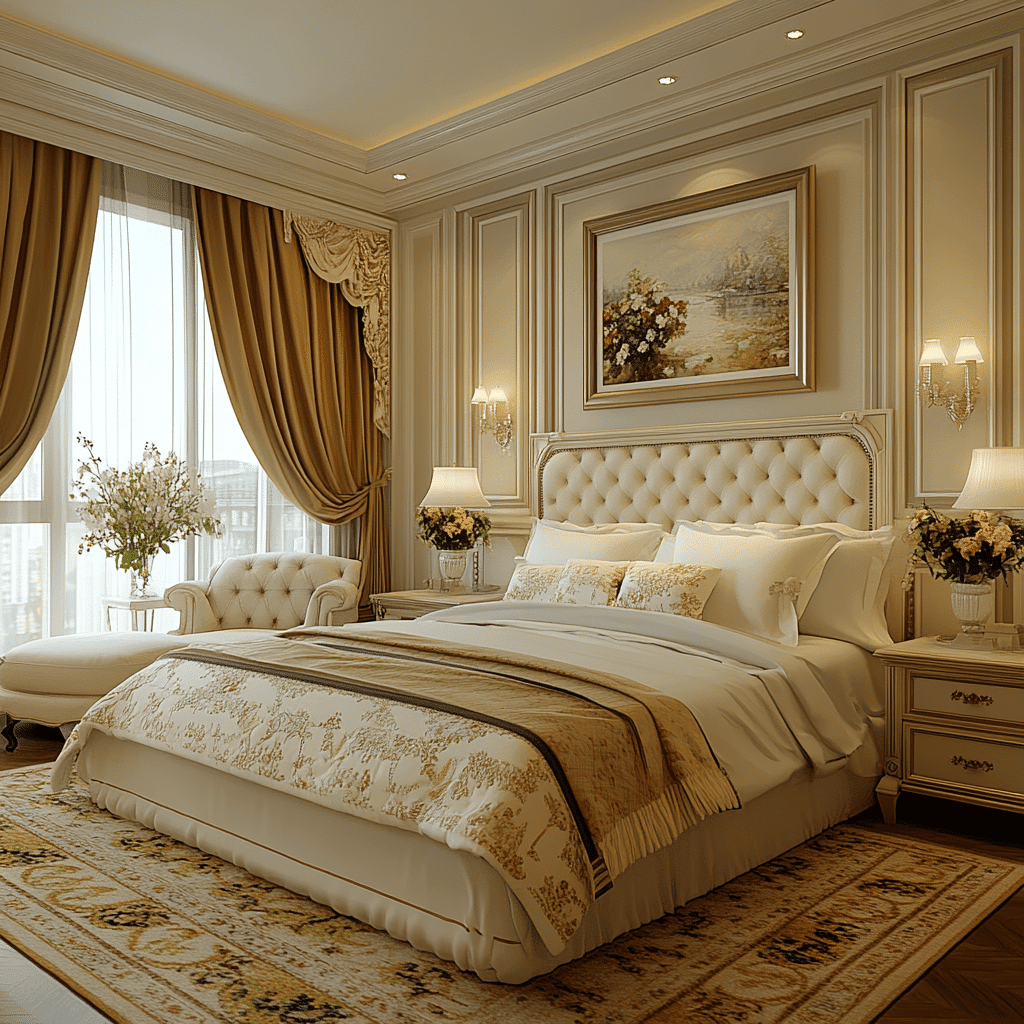
Symmetrical layouts and balanced proportions bring order to the room. Rich wood tones like mahogany or cherry add depth, while crystal chandeliers or gilded mirrors introduce a touch of luxury. Together, these elements create a cohesive, sophisticated space with a real sense of stability.
Bridging Tradition and Modernity
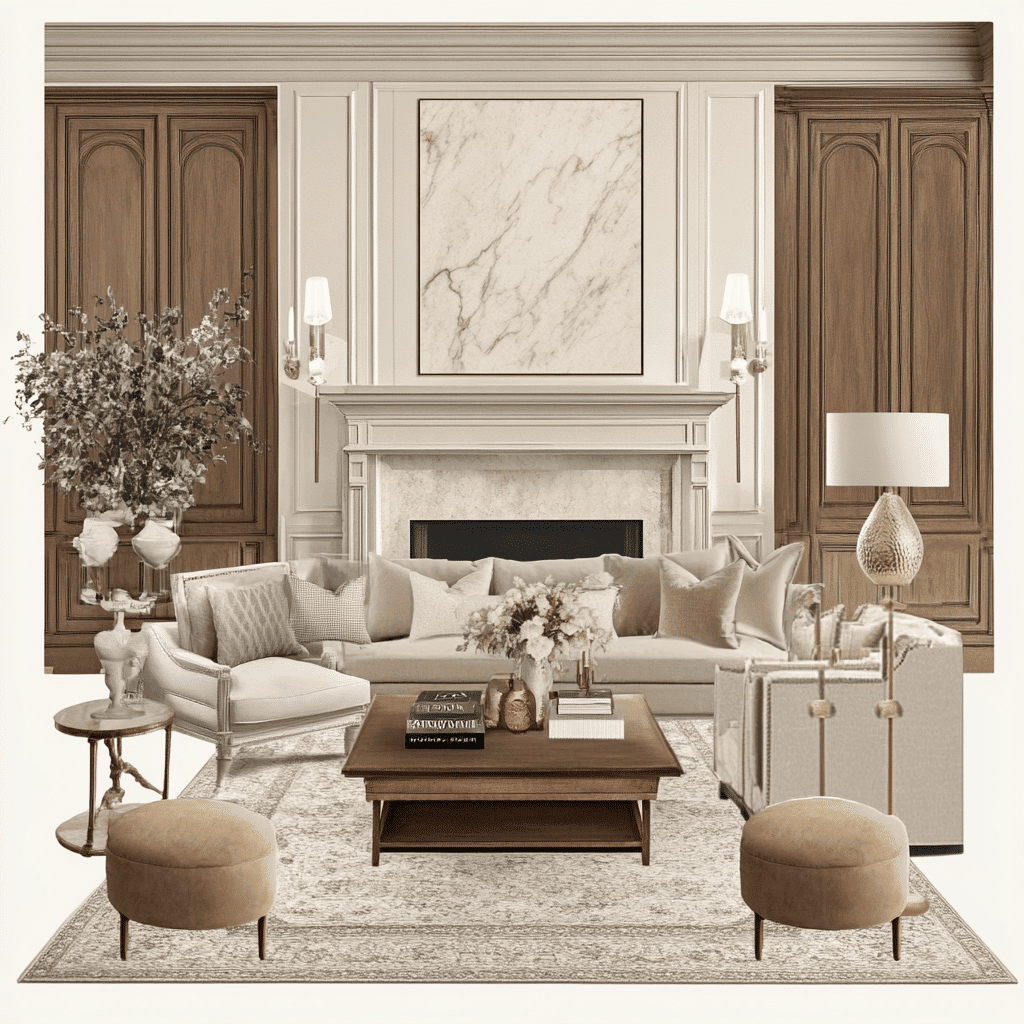
You don’t have to choose one or the other. Contemporary art or sleek light fixtures can refresh a traditional room, and pairing a traditional sofa with a modern coffee table — or hanging an antique mirror above a minimalist console — keeps the classic foundation intact while feeling current.
10. Japandi Design Style
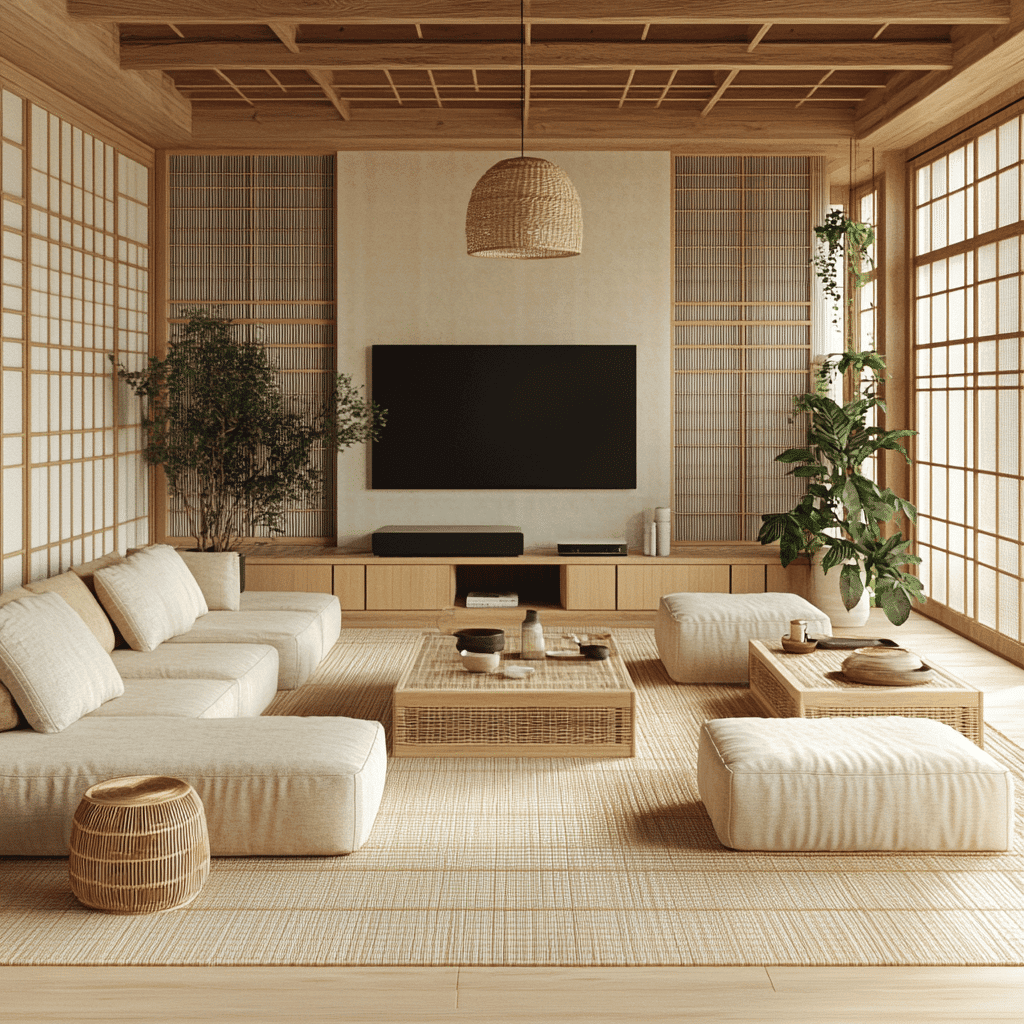
Japandi blends the simplicity of Japanese design with the cozy warmth of Scandinavian style. Clean lines meet natural materials in a space built around function first, without ever sacrificing beauty — ideal for anyone drawn to minimalism that still feels inviting.
Where Japanese and Scandinavian Meet
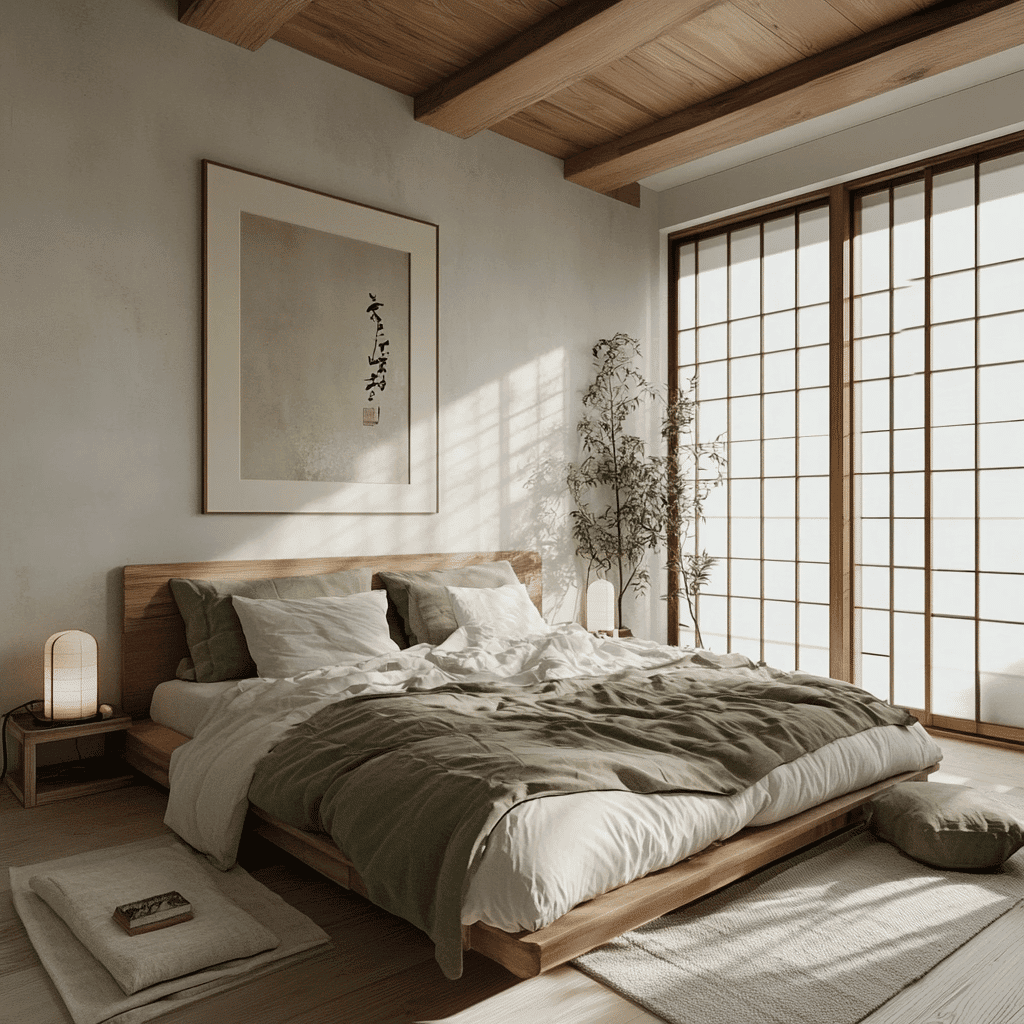
Both traditions value minimalism, craftsmanship, and a close connection to nature. Japanese design contributes simplicity and function; Scandinavian design adds warmth and coziness. The result is low-profile furniture paired with soft textiles and natural wood finishes — orderly and serene, but never cold.
Key Principles of Japandi
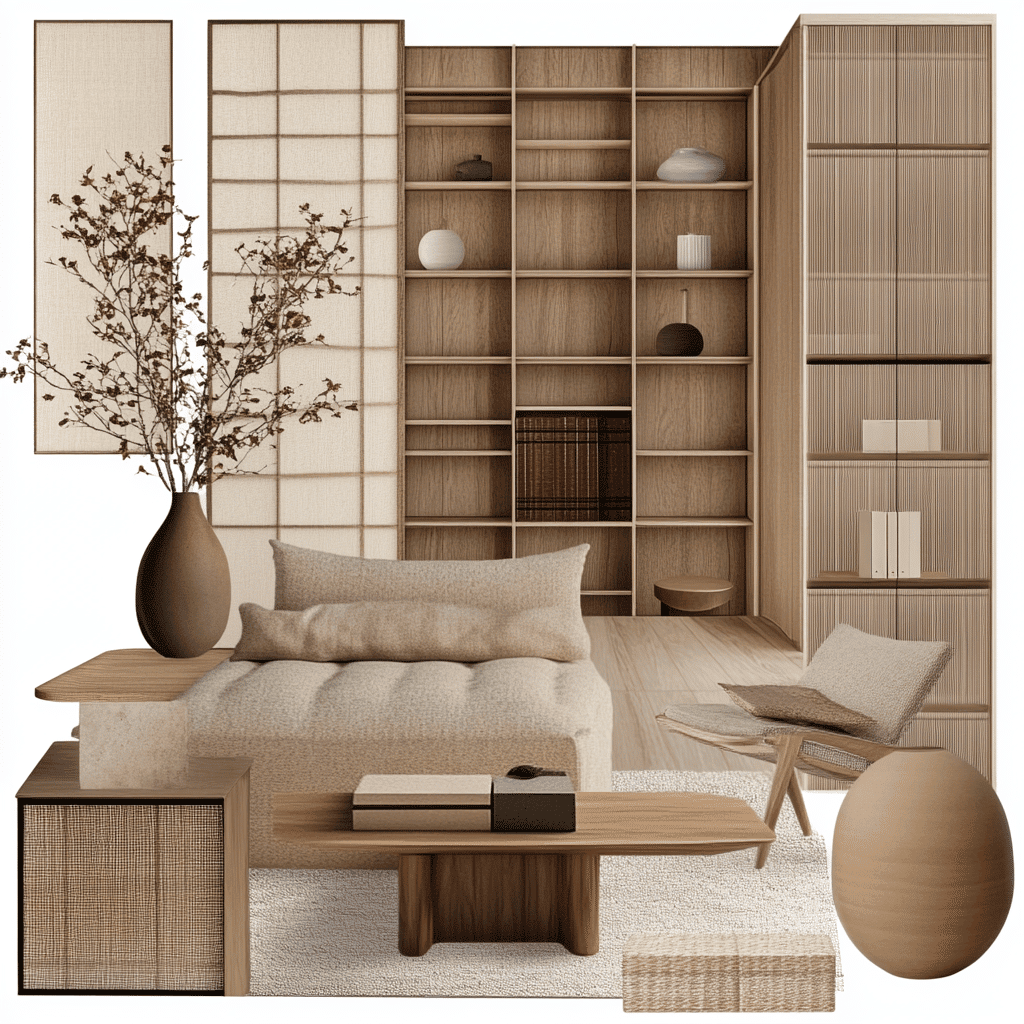
Natural materials — wood, bamboo, cotton — build a warm, organic base. The palette stays mostly neutral, with whites, beiges, and soft grays occasionally punctuated by charcoal or black for depth. Clean lines and restraint are essential, and handcrafted, artisan pieces add a personal touch throughout.
Achieving Tranquility
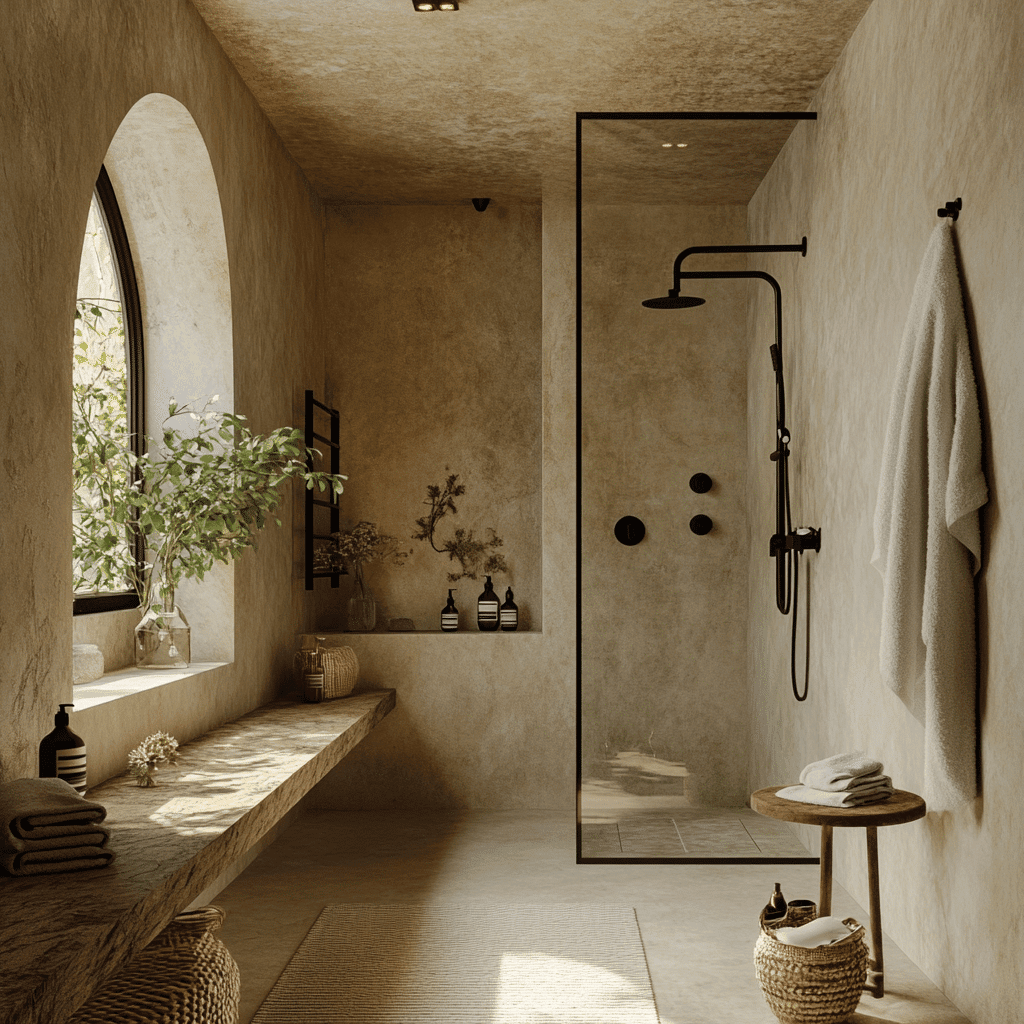
Choose furniture that is both functional and simple, giving each piece room to breathe rather than overcrowding the space. Low-profile coffee tables, comfortable floor cushions, and minimal decor support a sense of calm, while plants or wooden accents reinforce the peaceful, natural feel.
Finding Your Style for 2026
2026 is ultimately about mixing styles thoughtfully, updating classic looks, and leaning further into sustainable choices. Whether you’re drawn to the coziness of Modern Farmhouse or the pared-back calm of Japandi, there’s a direction here worth exploring.
As you start decorating, stay open — let your home reflect who you are and how you actually live. Whether you’re refreshing one room or reimagining the whole house, these ten interior design styles for 2026 offer plenty of inspiration to make the space genuinely yours.